
Cat Cloudy Eye: Causes, Treatment, And When To See A Vet
Cat Cloudy Eye: Causes, Treatment, And When To See A Vet
If you have noticed your cat’s eye looking cloudy, it is natural to feel concerned and wonder what steps to take next. Cloudy eyes in cats can develop for many reasons, ranging from mild irritations to more serious health conditions that threaten vision and comfort. At East Montgomery County Animal Hospital, our veterinary team in Conroe, TX regularly helps pet owners understand and address issues like cat cloudy eye. In this blog, we will cover what cloudy eyes look like, what may be causing the change, how our veterinarians diagnose and treat these conditions, and when it is time to schedule a visit. Your cat’s vision and wellbeing are important to us, and knowing what to watch for can make all the difference in protecting their health.
We will also share practical steps for home care and prevention, as well as explain when it is necessary to seek veterinary help. If you are worried about your cat’s eye health, our wellness examinations and advanced diagnostic tools are here to support your pet’s comfort and safety.
Recognizing Cat Cloudy Eye: What Does It Look Like?
Cloudy eyes in cats are easy to spot once you know what to look for. The cloudiness may appear as a milky, grayish, or bluish film covering part or all of one or both eyes. Sometimes the cloudiness is accompanied by other symptoms that should not be ignored. Key signs include a sudden or gradual change in the clarity of the eye, squinting, excessive blinking, pawing at the face, or visible redness and swelling around the eye. Many owners also notice that their cat seems more sensitive to light or is hiding more than usual.
If your cat’s eye appears cloudy, you may observe discharge that is clear, yellow, or green. The eye might water more than normal, or the third eyelid could become visible. Behavioral changes such as bumping into objects, reluctance to jump, or a decrease in playfulness can also indicate that your cat’s vision is affected. Even if the cloudiness seems minor or your cat is not acting distressed, it is important to monitor these symptoms closely. In many cases, cloudy eyes signal an underlying health issue that requires prompt attention from your veterinarian.
Understanding the Causes of Cat Cloudy Eye
There are several common reasons why a cat’s eye might become cloudy. Age-related changes, such as lenticular sclerosis, can create a bluish haze in older cats. This is usually harmless but can look alarming. Cataracts are another cause; these are opaque areas that develop inside the lens and can affect cats of any age, especially those with diabetes or a history of eye trauma.
Corneal ulcers and injuries are frequent causes, often resulting from scratches, foreign objects, or chemical irritants. These injuries allow bacteria or viruses to enter, leading to infection and cloudiness. Infections like feline herpesvirus or calicivirus can also cause inflammation and discharge, making the eye appear cloudy. Uveitis, or inflammation inside the eye, may be triggered by underlying systemic diseases, such as feline leukemia virus (FeLV), feline immunodeficiency virus (FIV), or toxoplasmosis.
Glaucoma is a serious condition in which increased pressure inside the eye can rapidly lead to cloudiness, pain, and vision loss if not treated quickly. Some cats develop cloudy eyes due to allergies, which cause chronic irritation and inflammation. Our veterinarians use in-house laboratory diagnostics and advanced imaging, such as pet digital veterinary radiology, to help identify the exact cause of your cat’s cloudy eye and create a treatment plan tailored to their needs.
Professional Treatment for Cat Cloudy Eye in Conroe
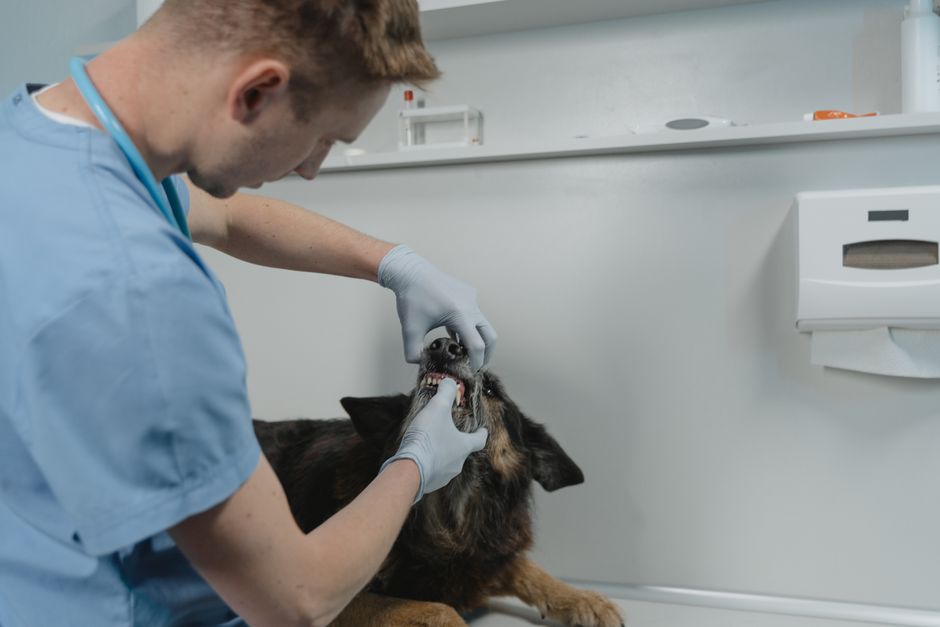
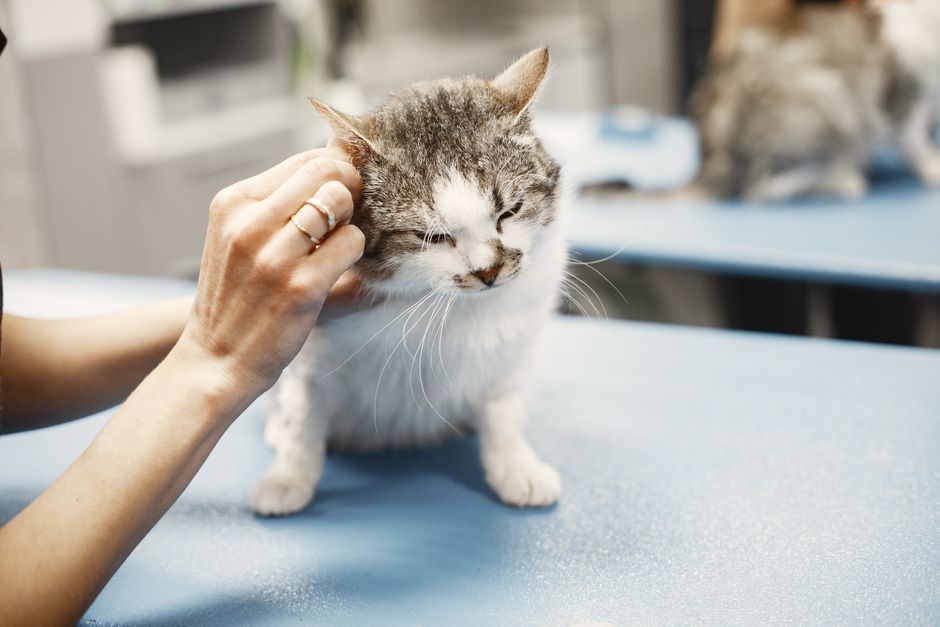
When you bring your cat to East Montgomery County Animal Hospital with concerns about a cloudy eye, our veterinarians will begin with a detailed eye examination. We may use diagnostic tools such as fluorescein staining to detect ulcers, tonometry to measure eye pressure, and slit lamp exams to view the internal structures of the eye. Depending on the suspected cause, we might recommend blood tests, viral screenings, or imaging studies to rule out systemic illness.
Treatment approaches depend on the underlying condition. For bacterial or viral infections, veterinarians often prescribe medicated eye drops or ointments to reduce inflammation and fight pathogens. Corneal ulcers may require topical antibiotics, pain relief, and sometimes oral medications. In cases of glaucoma, medications to lower eye pressure are started immediately; some cases may require surgical intervention to preserve vision.
If a cataract is detected and is causing significant vision loss or discomfort, referral for surgical removal may be discussed. Age-related lenticular sclerosis typically does not require treatment but should be monitored during routine exams. For cats with allergies, identifying and minimizing exposure to triggers is essential, and supportive care with anti-inflammatory medications may be advised.
Throughout the process, our veterinary team will provide clear instructions on how to administer medications and what changes to monitor at home. Follow-up visits are important to track healing and adjust treatments as needed. At East Montgomery County Animal Hospital, we are committed to guiding you every step of the way, making sure your pet’s eye health is protected.
Home Care and Prevention: Keeping Your Cat’s Eyes Healthy
While not all cases of cat cloudy eye can be prevented, there are steps you can take to help protect your cat’s vision. Scheduling regular wellness examinations allows our veterinarians to detect subtle changes before they become serious problems. Keeping your cat indoors or supervising outdoor time reduces the risk of trauma, infections, and exposure to environmental allergens.
Maintaining good hygiene by cleaning your cat’s bedding and food bowls can help minimize the spread of infectious agents. If your cat has a history of allergies or recurrent eye problems, our team can discuss pet allergy testing and management strategies to keep symptoms under control. Be gentle when cleaning around your cat’s eyes, using only products recommended by your veterinarian.
At home, monitor your cat for changes in behavior, vision, or appearance of the eyes. Early intervention is key; the sooner you notice a problem, the easier it often is to treat. For more information on preventive care and recommendations, you can also refer to the AAHA-AVMA Feline Preventive Healthcare Guidelines.
When to See a Veterinarian for Cat Cloudy Eye
Knowing when to seek veterinary care can make a big difference in the outcome for your cat’s eye health. You should schedule an appointment promptly if the cloudiness appears suddenly, is accompanied by visible pain or discomfort, or is associated with discharge, swelling, or redness. Cats who are squinting, pawing at the eye, or showing changes in vision, such as bumping into furniture or hesitating to jump, need to be evaluated quickly.
If your cat has a pre-existing medical condition like diabetes, FIV, or FeLV, or if they have recently suffered trauma to the eye area, do not delay in contacting your veterinarian. Even if the symptoms seem mild, only a professional eye examination can determine whether the condition is benign or requires urgent intervention. At East Montgomery County Animal Hospital, our team is equipped to handle a wide range of eye concerns, from minor irritations to complex medical conditions.
Timely care from our veterinarians can help preserve your cat’s vision and prevent complications. Whether you are in Conroe or the surrounding communities, don’t hesitate to reach out if you notice any changes in your cat’s eyes.
Protect Your Cat’s Vision: Schedule an Eye Exam Today
Cloudy eyes in cats are not something to ignore. From age-related changes to infections, injuries, and more serious eye diseases, the causes are diverse and sometimes urgent. By recognizing the signs of cat cloudy eye early and seeking professional care, you can help protect your pet’s comfort and vision.
If you have noticed any changes in your cat’s eyes, our veterinary team at East Montgomery County Animal Hospital is here to help. We recommend scheduling a wellness examination or eye health consultation as soon as possible. When searching for a veterinarian near me who truly cares about your cat’s wellbeing, look no further than our compassionate and experienced team in Conroe, TX.
To schedule an appointment or discuss your concerns, call us at (281) 689-9999 or visit our website. We are dedicated to providing the highest level of care for your cat’s eye health and overall wellbeing. For additional information on our services, including comprehensive wellness examinations and advanced diagnostics, explore our website or reach out to our veterinary professionals today.
Medical Disclaimer: This blog is intended for informational purposes only and should not be considered a substitute for professional veterinary advice. If your cat is showing signs of eye discomfort or vision changes, always contact your veterinarian for an in-person examination and diagnosis.