
Managing Spring Allergies In Dogs And Cats In Conroe
Managing Spring Allergies In Dogs And Cats In Conroe
As spring arrives in Conroe, the beauty of blooming flowers and lush greenery fills the air, but so do seasonal allergens. If your dog or cat is suddenly scratching, licking, or sneezing more than usual, you are not alone. Many pets in Conroe and surrounding communities struggle with allergies triggered by the changing weather, just like people do. At East Montgomery County Animal Hospital, located at 16715 FM 1485, Conroe, TX 77306, we see an uptick in itchy, uncomfortable pets every spring. In this post, we will help you recognize the signs of spring allergies in your pets, understand what causes them, explore how allergies are managed and treated, and provide guidance on when to seek professional veterinary care. Our veterinary team is here to support you and your furry family members, offering comprehensive care and dermatology & allergy testing services right here in Conroe. Whether your pet needs relief now or you want to prevent future allergy flare-ups, you will find practical advice and answers below.
Recognizing Spring Allergy Symptoms in Dogs and Cats
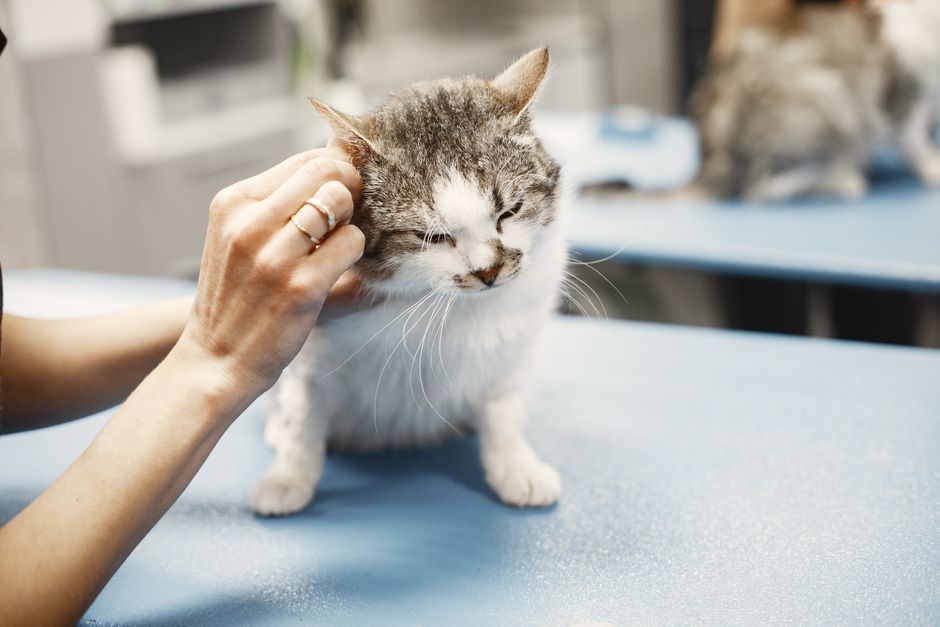
Spring allergies in pets often mimic the signs seen in people, but animals may also show some unique symptoms. Key indications that your dog or cat may be experiencing allergies include persistent scratching, licking at their paws, chewing or biting at the skin, and shaking their head. You might also notice red, irritated skin, hair loss in certain areas, watery eyes, sneezing, or frequent ear infections. For some pets, allergies can even show up as gastrointestinal changes, such as more frequent bowel movements or soft stools. Dogs tend to develop hot spots or red patches on their bellies and paws, while cats might groom excessively, leading to thinning fur or bald spots. If you see your pet rubbing their face along the carpet or furniture, or if their ears seem especially red and irritated, allergies could be to blame. It can be easy to mistake these signs for simple itching or minor discomfort, but ongoing or severe symptoms warrant attention. By recognizing these early warning signs, you can help your pet find relief sooner and prevent more serious skin problems from developing.
What Causes Spring Allergies in Conroe’s Pets?
Conroe’s springtime brings a rise in airborne pollen, mold spores, and other environmental allergens. Dogs and cats are most often affected by atopic dermatitis, which is an allergic reaction to substances they inhale or contact with their skin. Common culprits in our region include tree and grass pollen, weeds, mold, and dust mites. Pets may also react to flea bites, which become more common as temperatures warm up. While genetic predisposition plays a role—certain breeds are more prone to allergies—any pet can develop sensitivities over time. Unlike humans, who frequently experience sneezing and watery eyes, pets usually show allergies through their skin and ears. The local climate in Conroe, with its humid springs and abundant plant life, creates an environment where allergens thrive. Even pets who spend most of their time indoors can be affected, since pollen and spores can hitch a ride inside on shoes, clothing, or through open windows. Over time, repeated exposure to these allergens can make symptoms worse from one season to the next. Understanding the underlying causes helps you take proactive steps to minimize your pet’s discomfort and consult your veterinarian for targeted care.
How Allergies Are Diagnosed and Treated at East Montgomery County Animal Hospital
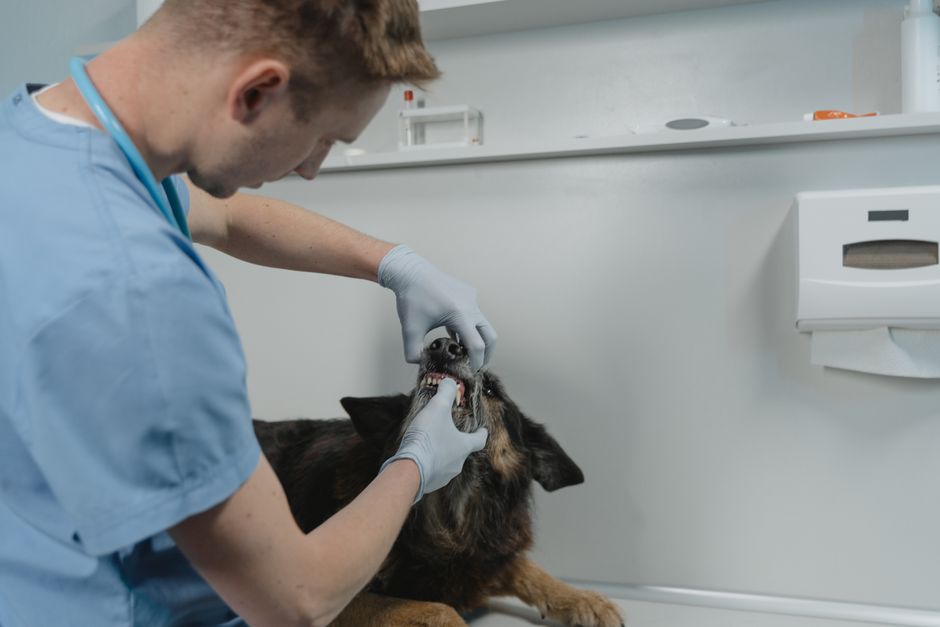
When you bring your dog or cat to our veterinary team for allergy concerns, we begin with a thorough history and physical examination. We often ask about your pet’s environment, recent changes, and the specific signs you have noticed. Diagnostic approaches may include skin or blood tests to help pinpoint the cause of allergies. At East Montgomery County Animal Hospital, our dermatology & allergy testing services for pets in Conroe allow us to identify whether your pet is reacting to environmental allergens, food, or flea bites.
Treatment options are tailored to your pet’s specific needs. For many pets, management begins with prescription medications such as antihistamines, steroids, or immune-modulating drugs to control itching and inflammation. Topical therapies, including medicated shampoos or sprays, may be recommended to soothe irritated skin. In some cases, immunotherapy (allergy shots or drops) can help desensitize your pet to specific allergens over time. For pets with frequent ear infections or stubborn skin issues, our veterinarians may perform additional diagnostics or recommend a change in diet to rule out food allergies. If secondary infections are present, antibiotics or antifungal medications might be used to restore skin health. Throughout the process, we work closely with you to monitor your pet’s progress and adjust treatments as needed, ensuring the highest level of comfort and care.
Preventing and Managing Allergies at Home
While professional diagnosis and treatment are essential for moderate to severe allergies, there are steps you can take at home to help manage your pet’s symptoms and reduce exposure to allergens. Regular bathing with a veterinarian-approved shampoo can remove pollen and other irritants from your pet’s coat and skin. Wiping down your dog’s paws and fur after outdoor walks helps limit the amount of pollen tracked into your home. Vacuuming frequently, washing bedding in hot water, and using air filters can further reduce allergen load in your living space. For cats, keeping windows closed during peak pollen days and providing clean, dust-free litter boxes can make a significant difference. Flea prevention is also critical, as flea allergies can worsen skin problems in sensitive pets. Our veterinary team can recommend effective, safe flea control products as part of your pet’s overall allergy management plan.
If you suspect your pet may be reacting to food, a temporary diet change under veterinary supervision may reveal hidden triggers. Never attempt to treat allergies with over-the-counter medications meant for people, as some human drugs can be toxic to pets. Routine wellness examinations at our clinic help catch early signs of allergies and allow us to provide preventive guidance tailored to your pet’s lifestyle and needs.
When to Schedule a Veterinary Visit for Allergy Symptoms
It is normal for pets to have an occasional itch or sneeze, but persistent, worsening, or severe symptoms should prompt a call to your veterinarian. Warning signs that your pet needs professional attention include relentless scratching, open sores, hair loss, frequent ear infections, or changes in appetite and behavior. If your pet’s discomfort interferes with sleep, play, or daily activities, it is time to seek help. Chronic allergies can lead to secondary infections, hot spots, and long-term skin changes if not addressed promptly. At East Montgomery County Animal Hospital, our veterinary professionals are experienced in diagnosing and treating allergies in both dogs and cats. We recommend scheduling an appointment if you are concerned about your pet’s comfort or if home care measures are not providing relief. Early intervention often leads to faster improvement and less stress for both you and your pet.
Remember, some allergy symptoms can mimic more serious medical conditions. If you notice sudden swelling of the face, difficulty breathing, or signs of severe distress, contact a veterinarian immediately, as these may indicate a medical emergency. For ongoing allergy management, our team is your trusted partner in keeping your pets healthy and happy throughout spring and beyond.
Supporting Your Pet Through Allergy Season in Conroe
Spring allergies can be challenging for both pets and their families, but with the right knowledge and support, relief is within reach. By recognizing the signs of allergies early, understanding what triggers them, and seeking professional care when needed, you can make a significant difference in your pet’s quality of life. The veterinary team at East Montgomery County Animal Hospital is committed to providing compassionate, expert care for every stage of your pet’s health. If you notice any signs of allergies or want to discuss preventive strategies, we encourage you to schedule an appointment with us. Our wellness examination services and pet allergy testing are available to help you get answers and relief for your beloved companion.
When you are looking for a veterinarian near me in Conroe, trust our clinic to deliver personalized care in a welcoming environment. To book a consultation or ask questions about spring allergies, call us at (281) 689-9999 or visit us at 16715 FM 1485, Conroe, TX 77306. Together, we can help your pet enjoy every season in comfort and good health.
For more information about preventive veterinary care for dogs and cats, you may also refer to the AVMA-AAHA Canine Preventive Healthcare Guidelines and AVMA-AAHA Feline Preventive Healthcare Guidelines. Always consult your veterinarian before starting any new treatment or making major changes to your pet’s routine.