
Protecting Pets From Heartworm Disease In Conroe This April
Protecting Pets From Heartworm Disease In Conroe This April
April in Conroe brings the first real taste of summer, and with it comes a sharp rise in mosquito activity. While these buzzing insects are a nuisance for us, they pose a far more serious threat to our pets. Heartworm disease, spread by mosquitoes, is a potentially life-threatening condition that affects both dogs and cats throughout Texas. At East Montgomery County Animal Hospital, located at 16715 FM 1485, Conroe, TX 77306, we know how important it is to protect your furry family members during peak mosquito season. In this blog, we will help you recognize the signs of heartworm disease, understand how it develops, explore how our veterinary team can help with prevention and testing, and share practical steps you can take at home. Early prevention and regular screening are key to keeping your dog or cat healthy; our veterinarians are here to support you every step of the way.
Whether you are new to the Conroe area or have lived here for years, understanding the risks of heartworm disease is vital for every pet owner. We invite you to learn more about how our heartworm testing services for pets in Conroe can help safeguard your pet’s health this spring and beyond.
Recognizing the Signs of Heartworm Disease in Dogs and Cats
Heartworm disease can be a silent threat during its early stages, making it especially dangerous for pets in Conroe and surrounding communities. In many cases, symptoms may not appear until the disease has progressed. For dog owners, warning signs include a persistent cough, fatigue after moderate activity, decreased appetite, and gradual weight loss. Some dogs may develop a swollen belly due to fluid buildup. In more advanced cases, you might notice difficulty breathing or sudden collapse. Cat owners should be aware that symptoms in felines can be more subtle or mistaken for other illnesses. Key indicators in cats include coughing or asthma-like attacks, vomiting unrelated to eating, loss of appetite, and weight loss. Sudden collapse or even sudden death can sometimes occur, which is why prevention is so crucial.
If your pet exhibits any of these signs, it is important to contact your veterinarian promptly. While these symptoms can result from various health issues, heartworm disease is especially concerning in our mosquito-prone region. Our veterinary professionals are experienced in diagnosing and managing heartworm disease, and timely intervention can make all the difference.
Why Heartworm Disease Is a Serious Concern in Conroe
Understanding how heartworm disease develops helps highlight why prevention is so critical in our area. Heartworms are transmitted when a mosquito carrying larvae bites a dog or cat, introducing microscopic worms into the bloodstream. Over several months, these larvae mature and can travel to the heart, lungs, and associated blood vessels. For dogs, heartworms can grow to a foot in length, with adult worms numbering in the dozens or even hundreds in severe cases. The presence of these worms can cause lasting damage to the heart and lungs, leading to heart failure or severe lung disease.
Cats are not natural hosts for heartworms, but even a small number of worms can cause serious lung or heart problems. Because mosquitoes thrive in our warm, humid climate, pets in Conroe are at a much higher risk than in drier or colder regions. The seasonal surge in mosquito populations each spring and summer increases the likelihood of exposure, making proactive protection a year-round necessity.
Professional Diagnosis and Treatment Options at East Montgomery County Animal Hospital
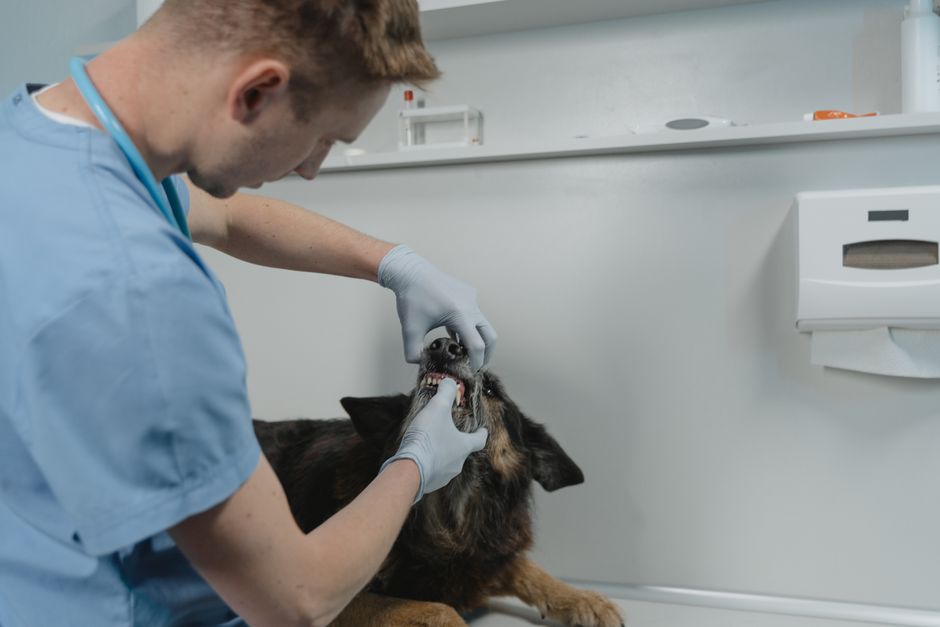
When you bring your pet to East Montgomery County Animal Hospital for a wellness exam, our team will assess their health and discuss their risk factors for heartworm disease. For dogs, annual heartworm testing is recommended by leading veterinary organizations, including the American Heartworm Society. The test is a simple blood screening that detects the presence of adult heartworms. For cats, diagnosis can be more challenging, as there may be fewer worms and symptoms often resemble other illnesses. Our laboratory diagnostics for pets allow us to use multiple testing methods to confirm a diagnosis.
If a dog tests positive, treatment involves a series of precise steps to eliminate the worms safely. This process can be lengthy and requires careful management by our veterinary team, as the medications used to kill adult heartworms can have significant risks. Strict activity restriction is a critical part of treatment, and additional medications may be needed to reduce inflammation and support heart and lung function. For cats, there is no approved treatment to eliminate adult heartworms, so management focuses on reducing symptoms and supporting respiratory health.
Throughout the process, our veterinarians will guide you with compassion and expertise, ensuring your pet receives the best possible care. We always follow the latest AAHA-AVMA Canine Preventive Healthcare Guidelines and AAHA-AVMA Feline Preventive Healthcare Guidelines to inform our diagnostic and treatment recommendations.
Preventing Heartworm Disease: What Pet Owners Can Do
Prevention is the cornerstone of heartworm disease control. Our veterinarians recommend year-round use of prescription heartworm preventatives for both dogs and cats, as these medications are highly effective and safe when given consistently. During your pet’s veterinary wellness examination, we can help you choose the best preventative for your pet’s needs and lifestyle.
Additional steps you can take at home include limiting your pet’s exposure to mosquitoes by keeping them indoors during peak mosquito hours, using screens on windows, and removing standing water from your yard. Regularly scheduled heartworm testing is essential; even pets on prevention should be tested annually to ensure the medication is working properly and to catch any unexpected infections as early as possible.
Our veterinary team is always available to answer your questions about heartworm prevention, medication options, and how to protect your pet during Conroe’s mosquito season.
When to Seek Veterinary Care for Heartworm Concerns
Prompt veterinary care is vital if you suspect your pet may have been exposed to mosquitoes or is showing symptoms of heartworm disease. Contact us immediately if your dog or cat is coughing, unusually tired, has trouble breathing, or experiences sudden weight loss. Early diagnosis greatly improves the chances of successful treatment and can help prevent more severe health complications.
We encourage all pet owners to schedule annual heartworm testing services for pets in Conroe, even if their pets are on preventatives. This is especially important during the spring, as mosquito activity increases. When searching for a veterinarian near me, look for a trusted local practice that prioritizes preventive care and ongoing wellness—just like East Montgomery County Animal Hospital.
Keeping Your Pet Safe From Heartworm Disease This April and Beyond
Heartworm disease is a serious threat to pets in Conroe, but with the right preventive steps and support from our veterinary professionals, it is a risk you can manage. Our team is dedicated to helping you safeguard your pet’s health through comprehensive wellness examinations, annual heartworm testing, and tailored prevention plans. By staying proactive, you give your dog or cat the best chance at a long, happy life.
If you have questions about heartworm prevention, need to schedule testing, or want to discuss the best protection plan for your pet, we are here to help. Call us today at (281) 689-9999 or visit 16715 FM 1485, Conroe, TX 77306 to schedule your appointment and give your pet the healthy future they deserve.
For additional information on heartworm disease and preventive care, our veterinary team recommends reviewing the latest AAHA-AVMA Canine Preventive Healthcare Guidelines and AAHA-AVMA Feline Preventive Healthcare Guidelines. Remember, early action and regular check-ups are the best ways to keep your beloved companions healthy and heartworm-free throughout the year.