
Protecting Your Dog or Cat from Mosquito-Borne Diseases in Conroe, TX
Protecting Your Dog or Cat from Mosquito-Borne Diseases in Conroe, TX
Mosquitoes are more than just a summertime nuisance for families in Conroe, TX and surrounding communities. For dogs and cats, these tiny pests can carry invisible threats that have serious consequences for your pet’s health. At East Montgomery County Animal Hospital, our team of veterinarians is dedicated to helping you keep your pets safe from mosquito-borne diseases all year round. In this comprehensive guide, we’ll explore why mosquitoes are such a risk for pets in our area, how to recognize the warning signs of mosquito-borne illness, and what you can do at home—and with the help of your veterinary team—to protect your beloved dog or cat. Whether you’re concerned about heartworm disease or want to learn more about effective prevention strategies, our animal hospital at 16715 FM 1485, Conroe, TX 77306 is here to guide you through the summer mosquito season and beyond.
Recognizing the Risk: How Mosquito-Borne Diseases Affect Dogs and Cats
Many pet owners are aware that mosquitoes bite, but few realize the range of diseases these insects can transmit to dogs and cats. Heartworm disease is the most well-known mosquito-borne illness in pets, and unfortunately, it is especially prevalent in humid, mosquito-friendly climates like we have here in Conroe. Although dogs are most commonly affected, cats can also contract heartworm disease, and the consequences can be severe for both species.
Key signs that your pet may be impacted by a mosquito-borne disease include persistent coughing, unexplained lethargy, difficulty breathing, loss of appetite, and in some cases, vomiting or sudden weight loss. For some cats, symptoms may be even more subtle or may mimic other common feline illnesses. If your dog or cat has been exposed to mosquitoes and you begin noticing any of these symptoms, it’s important to schedule an appointment with your veterinary team promptly. Early detection and intervention offer the best chance for a positive outcome.
Why Mosquitoes Are a Year-Round Threat in Conroe
Conroe’s warm, humid climate creates an ideal breeding environment for mosquitoes. As a result, the risk of mosquito bites—and the diseases they carry—remains high throughout much of the year. While most people associate mosquito season with late spring and summer, unseasonably warm winters and rainy periods can extend mosquito activity well into the fall. This means dogs and cats in our area need consistent, year-round protection.
Heartworm disease is caused by a parasite called Dirofilaria immitis, which is transmitted when a mosquito carrying infectious larvae bites your pet. The larvae travel through the bloodstream, eventually reaching the heart and lungs where they grow into adult worms. In dogs, this process can take several months and can lead to heart failure, lung disease, and even sudden death if left untreated. Cats can develop a condition known as heartworm-associated respiratory disease, which can be fatal even at low worm counts.
Other mosquito-borne diseases, such as West Nile virus and Eastern Equine Encephalitis, are less common in dogs and cats but can occur in rare cases, especially in outdoor pets. The best way to keep your pet safe is to understand the risks and take proactive steps to minimize exposure.
Professional Veterinary Care: Diagnosis and Treatment Options
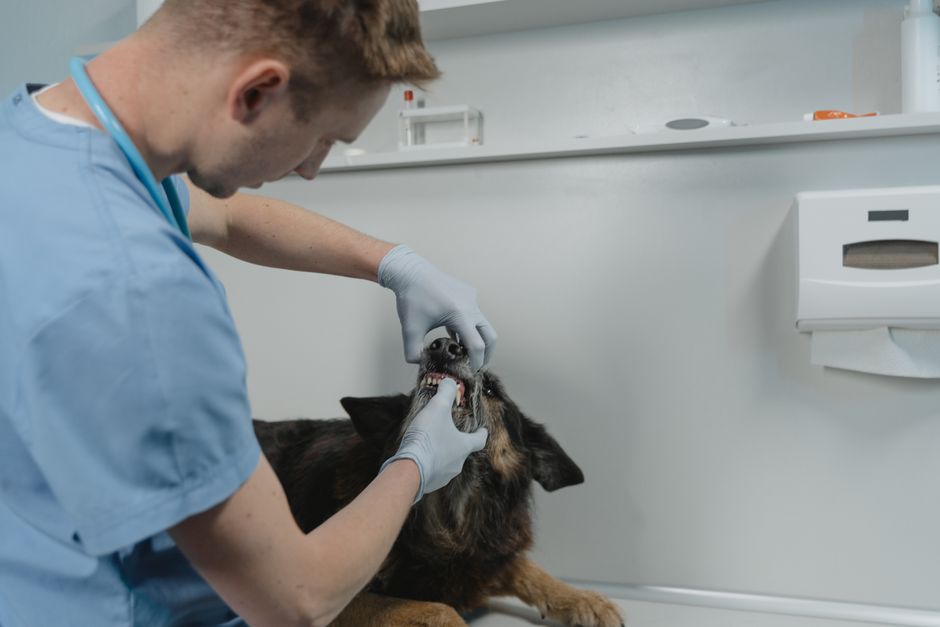
If you suspect that your dog or cat may be suffering from a mosquito-borne illness, seeking veterinary care as soon as possible is critical. At East Montgomery County Animal Hospital, our veterinary team uses a combination of physical examinations, advanced diagnostic testing, and medical history to evaluate your pet’s health. For heartworm disease, we offer heartworm testing services designed to detect infection early, which is essential for effective treatment.
Treatment for heartworm disease in dogs typically involves a series of injections designed to kill adult heartworms, along with medications to address inflammation and secondary complications. Your veterinarian will tailor a treatment plan based on your dog’s health status, the severity of infection, and any associated symptoms. It’s important to note that treatment can be lengthy and requires strict activity restriction to prevent complications during the healing process.
Unfortunately, there is no approved drug therapy for heartworm infection in cats. Instead, treatment focuses on managing symptoms and supporting your cat’s respiratory and cardiac health. Regular monitoring, corticosteroids to reduce inflammation, and supportive care are common approaches. This is why prevention is especially important for cats.
No matter which type of mosquito-borne disease is suspected, the veterinary professionals at East Montgomery County Animal Hospital are equipped to provide the latest diagnostic and therapeutic options to help your pet recover.
Prevention at Home: Protecting Your Dog or Cat from Mosquitoes
The good news is that pet owners can take effective steps to prevent mosquito-borne diseases before they start. Consistent use of veterinarian-recommended heartworm preventives is the single most important action you can take. These medications, which can be given as monthly chewable tablets, topical treatments, or in some cases, long-acting injections, work by killing heartworm larvae before they can mature into adult worms.
For comprehensive protection, it’s also important to reduce your pet’s exposure to mosquitoes around the home. Simple measures such as keeping doors and windows screened, eliminating standing water where mosquitoes breed, and bringing pets indoors during peak mosquito activity (dawn and dusk) can all make a significant difference. Using pet-safe mosquito repellents and avoiding walks near stagnant water sources—like ponds, ditches, or marshy areas—are additional ways to minimize risk.
Annual wellness examinations with your veterinarian provide an excellent opportunity to discuss your pet’s preventive care plan, ensure your pet is receiving the right dose of heartworm preventive, and address any questions you may have about seasonal risks.
The Importance of Routine Heartworm Testing
Even with consistent preventive care, annual heartworm testing remains a crucial part of your dog or cat’s health plan. No preventive is 100 percent effective, and missed doses or accidental lapses can leave your pet vulnerable. By scheduling regular heartworm testing, you give your veterinarian the chance to catch infections early—before they can cause irreversible damage.
For dogs, heartworm tests typically involve a simple blood sample and can often be performed during your pet’s routine wellness visit. Cats may require a combination of blood tests and imaging studies, as diagnosis can be more challenging. Your veterinarian will recommend the best testing schedule based on your pet’s risk factors and local disease prevalence.
When to Seek Veterinary Care for Suspected Mosquito-Borne Illness
Prompt veterinary attention is vital if you notice any signs of illness in your dog or cat that could be related to mosquito exposure. Warning signs that should prompt an immediate call to your veterinary clinic include persistent coughing, labored breathing, sudden collapse, loss of appetite, vomiting, or unexplained lethargy—especially if your pet is not on consistent heartworm prevention.
If you are concerned about your pet’s health outside of regular business hours, or if your pet’s condition seems to worsen rapidly, do not hesitate to contact your veterinarian for guidance. Early intervention often leads to better outcomes, and your veterinary team can help you decide whether your pet needs to be seen right away.
Keeping Your Pets Safe in Conroe and Surrounding Communities
Mosquito-borne diseases are a genuine threat for dogs and cats living in Conroe, but with a combination of preventive care, vigilance, and partnership with your local veterinary team, you can help ensure your pet enjoys a healthy, active life. At East Montgomery County Animal Hospital, we are committed to providing the guidance, services, and support you need to keep your pets safe from heartworm disease and other mosquito-borne risks.
If you have questions about your pet’s preventive care, need to schedule a wellness examination, or want to learn more about vaccination services that can help protect your pet from a variety of infectious diseases, our team is always here to help. For those searching for a veterinarian near me, look no further than our experienced veterinary professionals at 16715 FM 1485, Conroe, TX 77306.
Schedule an appointment today by calling (281) 689-9999, and let’s work together to keep your dogs and cats protected from mosquito-borne diseases all year long.
This blog is intended for educational purposes only and should not replace professional veterinary advice. If you have concerns about your pet’s health, contact your veterinarian promptly.