
How To Keep Your Dog Or Cat Cool And Healthy This Summer
How To Keep Your Dog Or Cat Cool And Healthy This Summer
Summer in Conroe, TX brings rising temperatures, high humidity, and plenty of opportunities for fun outdoors with your dog or cat. However, as the heat intensifies, so does the risk of heat-related health problems for your pets. At East Montgomery County Animal Hospital, we understand how much you care about your furry companions’ comfort and wellbeing. That’s why our veterinary team is here to guide you through the essential steps to keep your dog or cat safe, cool, and healthy throughout the summer months. In this article, we’ll discuss how to recognize signs of overheating, explain why pets are especially vulnerable to heat and humidity, offer practical home care tips, and let you know when it’s time to schedule an appointment with your veterinarian. Whether you live in Conroe or in one of the surrounding communities, use these seasonal tips to help your pets enjoy summer safely.
Recognizing the Signs: When Is Summer Heat a Problem for Dogs and Cats?
Understanding when your dog or cat is feeling the effects of the summer heat is the first step to protecting their health. Pets can’t tell you when they’re too hot, so it’s important to watch for early warning signs. Typical symptoms of overheating or heat exhaustion in dogs and cats include excessive panting, drooling, restlessness, and seeking out cool surfaces or shade. You may notice that your pet becomes lethargic, seems less interested in playing, or refuses to eat. In more serious cases, symptoms such as vomiting, diarrhea, red or pale gums, rapid heart rate, confusion, and even collapse can occur. Cats may hide or groom themselves excessively as they try to cool down. It’s easy to mistake some of these signs for normal warm-weather behavior, but any change in your pet’s demeanor during hot weather should prompt you to pay closer attention to their comfort and safety.
Why Are Pets So Vulnerable to Heat in Conroe, TX?
The climate in Conroe and the greater Houston region is known for its hot, humid summers. While people are able to sweat and regulate their body temperature more efficiently, dogs and cats have fewer ways to cool themselves. Most cooling occurs through panting and, to a lesser degree, through the pads of their feet. Certain breeds, such as brachycephalic dogs like Bulldogs and Pugs or long-haired cats, are at an even higher risk of overheating. Overweight pets, those with chronic medical conditions, and the very young or elderly also face greater danger in hot weather. The combination of high humidity and temperature makes it harder for your pet’s body to dissipate heat, especially during the hottest parts of the day. Surfaces like asphalt, concrete, and even artificial turf can become dangerously hot, increasing the risk of paw burns and rapid overheating. Understanding that pets are much more sensitive to environmental heat than people helps explain why extra precautions are vital.
Common Summer Hazards for Pets
In addition to heatstroke and dehydration, summer brings other risks for pets. These include sunburn (especially for light-colored or thin-coated animals), insect stings, ticks, and exposure to toxic plants or substances like antifreeze and fertilizers. Outdoor gatherings often involve foods or drinks that can be harmful to pets if ingested. Swimming pools, lakes, and rivers may pose drowning risks, while barbecues and fireworks can cause anxiety or accidental injuries.
Managing Heat-Related Illness: How Veterinarians Treat Overheated Pets
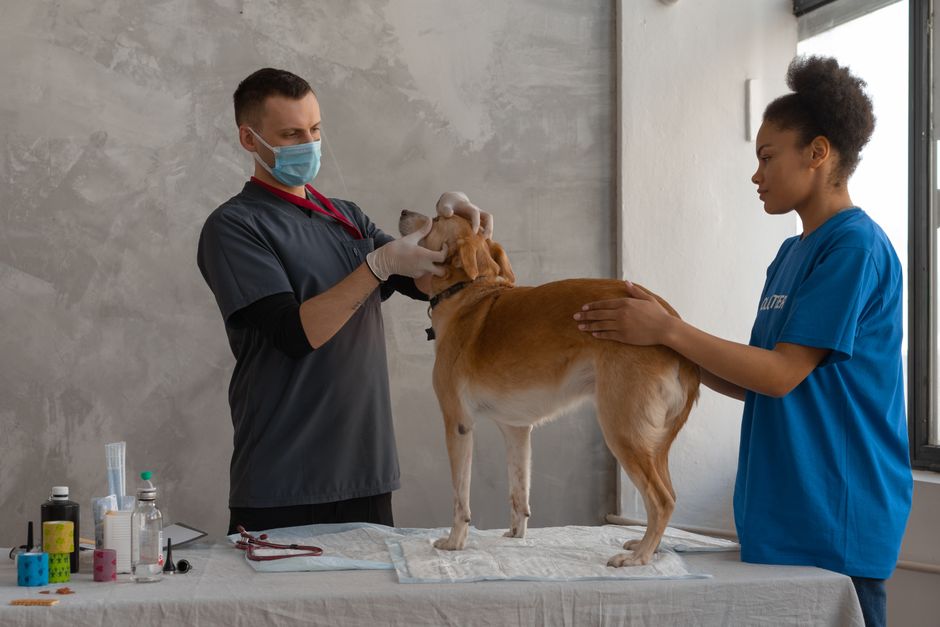
If your dog or cat begins to show clear signs of heatstroke or severe distress, immediate action is crucial. When you bring your pet to East Montgomery County Animal Hospital, our veterinary team will start with a thorough physical examination and assess your pet’s temperature, hydration, and vital signs. Treatment involves rapidly but safely cooling your pet’s body with cool (not cold) water, wet towels, and fans. We may administer intravenous fluids to address dehydration and support your pet’s internal organs. In some cases, oxygen therapy, medications to control seizures or vomiting, and hospitalization for monitoring and supportive care are necessary. Diagnostic tests such as bloodwork may be performed to evaluate organ function and determine whether complications have developed. Our veterinarians will work with you to create a recovery plan and provide guidance for ongoing home care after initial treatment. The earlier heatstroke is treated, the better the outcome, so prompt veterinary attention is essential.
Prevention and Home Care: Tips for Keeping Your Pet Cool All Summer
The best way to protect your dog or cat from summer heat hazards is through prevention and attentive home care. Always provide fresh, cool water and make sure your pet has access to shade, particularly during the hottest hours between 10 a.m. and 4 p.m. Walk dogs in the early morning or late evening when temperatures are lower, and check pavement with your hand before allowing your pet to walk on it. For cats, ensure they have cool resting places indoors, away from sunny windows or heat sources. Never leave your pet in a parked car, even for just a few minutes; temperatures can become life-threatening in a very short time. Regular grooming, especially for long-haired pets, helps remove excess fur and keeps your pet cooler. Consider using fans, pet-safe cooling mats, or damp towels to provide relief from the heat at home.
If you notice your pet is less active or seems uncomfortable, encourage quiet indoor time and avoid strenuous play. For pets that spend time outside, ensure fences and gates are secure to prevent wandering in search of cooler spots. Watch for signs of dehydration, such as dry gums or sunken eyes, and offer small amounts of water frequently if your pet is reluctant to drink.
Special Considerations for At-Risk Pets
Short-nosed breeds, older pets, and those with medical conditions like heart or respiratory disease require extra caution during the summer. Talk to our veterinarians about tailored strategies for keeping these pets safe, such as adjusting exercise routines and monitoring for subtle changes in behavior or breathing.
When to Call the Veterinarian: Recognizing an Emergency
Knowing when to seek veterinary care can save your pet’s life. If your dog or cat shows signs of severe heat exhaustion—such as extreme lethargy, vomiting, diarrhea, difficulty breathing, bright red or very pale gums, confusion, or collapse—call East Montgomery County Animal Hospital immediately. While you can begin gently cooling your pet at home with lukewarm water and fans, do not use ice or ice-cold water, as this can cause shock. Avoid force-feeding water if your pet is unconscious or unable to swallow. Early intervention by a veterinary professional is critical for a positive outcome.
For pets with minor symptoms, such as mild panting or seeking cool surfaces, monitoring at home and providing access to water and a cool environment may be sufficient. However, if symptoms persist or worsen, or if you have any concerns about your pet’s health in the heat, our veterinary team in Conroe is ready to help. Scheduling a wellness exam during the summer is a smart way to discuss preventive care, update vaccines, and address any seasonal questions you may have.
Building a Summer Wellness Plan for Your Dog or Cat
Preventive care is the foundation of good health for your pet year-round, but summer presents unique challenges. Regular wellness visits allow our veterinarians to assess your pet’s risk factors, recommend appropriate grooming routines, and check for parasites that are more common in warm weather. We can also discuss options for flea, tick, and heartworm prevention, which are especially important in the humid climate of Conroe and surrounding communities. If you’re planning summer travel or boarding, consult our team to ensure your pet’s vaccinations and health needs are up to date.
Creating a Safe Environment at Home
Take time to evaluate your home and yard for potential heat hazards. Make sure outdoor enclosures have plenty of shade and ventilation, and never tie pets up in direct sunlight. Indoors, use fans or air conditioning as needed, and avoid exercising your pet intensely during peak heat. Consider placing water bowls in multiple locations to encourage drinking, especially if you have multiple pets or a large home.
Summer Safety Starts with Your Veterinarian
Your dog or cat depends on you for protection from the dangers of summer heat. By recognizing the signs of overheating, understanding why pets are vulnerable, and taking proactive steps at home, you can help your pet stay cool and healthy all season long. If you ever have questions, notice symptoms of heat-related illness, or want to discuss your pet’s summer wellness plan, our veterinary professionals at East Montgomery County Animal Hospital are here to support you.
To schedule a summer wellness exam or discuss your pet’s health needs, call our clinic at (281) 689-9999 or visit us at our convenient [Conroe, TX location](Google Maps Hyperlink). When searching for a veterinarian near me, trust a team that’s committed to your dog or cat’s wellbeing every step of the way. Let’s work together to make this summer safe, comfortable, and enjoyable for your pets.
This article is for informational purposes only and should not replace professional veterinary advice. If you have concerns about your pet’s health, please contact your veterinarian promptly.