
Summer Safety Tips for Dogs and Cats in Conroe
Summer Safety Tips for Dogs and Cats in Conroe
As summer temperatures soar in Conroe, TX, many pet owners worry about keeping their dogs and cats safe and comfortable. The combination of high heat and humidity can quickly put your furry family members at risk for dehydration, heatstroke, and other heat-related problems. At East Montgomery County Animal Hospital, we know how much you care about your pets’ wellbeing, especially when summer’s peak brings extra challenges. In this blog, we’ll guide you through practical steps to keep your pets cool, hydrated, and healthy all season long. You’ll learn how to spot signs of overheating, discover why pets are especially vulnerable to heat in our region, and find out how our veterinary team at 16715 FM 1485, Conroe, TX 77306 can help protect your dogs and cats from summer hazards. Whether you’re heading to the park, relaxing in your backyard, or just enjoying time indoors, these tips will help you give your pets the safest, happiest summer possible.
Recognizing the Signs: How Heat Affects Dogs and Cats
Understanding how heat impacts your pets is the first step in keeping them safe. Dogs and cats do not sweat like humans; instead, they cool themselves primarily by panting and, in cats, through limited sweat glands in their paw pads. Because of this, hot and humid days in Conroe can quickly overwhelm their natural cooling systems.
Key symptoms of heat stress in dogs and cats include excessive panting, drooling, restlessness, and seeking out cool or shaded areas more than usual. As the condition worsens, you might notice your pet showing signs such as red or pale gums, rapid heartbeat, vomiting, or diarrhea. In severe cases, collapse, unresponsiveness, or seizures can occur. Cats, in particular, may hide or act lethargic rather than pant, so any sudden behavior change during hot weather should be taken seriously. Paying close attention to these warning signs can make a critical difference in your pet’s outcome during a heatwave.
Why Conroe’s Summer Puts Pets at Extra Risk
The climate in Conroe is known for its hot, humid summers, often with temperatures reaching well into the 90s and heat indexes climbing even higher. These conditions are particularly dangerous for pets, especially those with thick coats, short noses (like Bulldogs, Pugs, and Persian cats), or underlying health problems such as heart disease, obesity, or respiratory issues.
Heat risk is also higher for puppies, kittens, senior pets, and brachycephalic breeds. Even healthy adult dogs and cats can overheat quickly if left outside in direct sunlight or confined to areas without proper ventilation. Asphalt, concrete, and sand can become dangerously hot, burning sensitive paw pads within minutes. Car interiors can become fatal traps within a very short time, even with the windows cracked.
In addition to the physical environment, your pet’s daily routine may change during summer. More time outdoors, longer walks, or family activities like barbecues and pool parties can expose your pets to higher temperatures and unfamiliar hazards. Understanding these risk factors helps you take proactive steps to prevent heat-related emergencies.
How Veterinary Care Supports Summer Pet Health
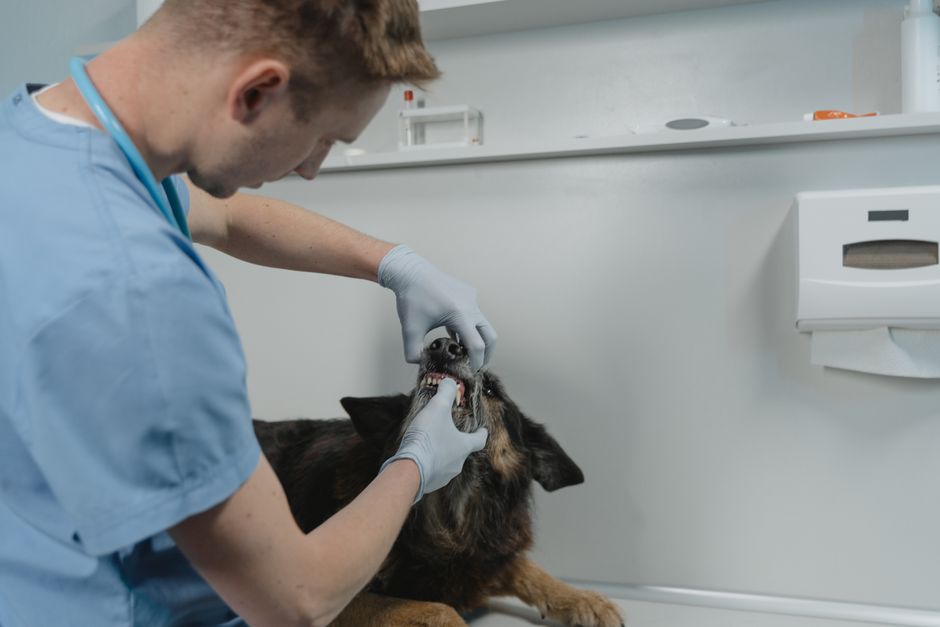
Regular veterinary care plays a crucial role in keeping your pets healthy through the summer months. At East Montgomery County Animal Hospital, our team offers veterinary wellness care that includes thorough physical exams, discussions about your pet’s unique risk factors, and tailored recommendations for seasonal health concerns. During a wellness examination, our veterinarians can identify underlying conditions that may increase your pet’s susceptibility to heatstroke or dehydration and provide strategies to minimize risks.
If your pet shows signs of overheating, prompt veterinary intervention is essential. Treatment may involve cooling your pet gradually, administering intravenous fluids to combat dehydration, monitoring vital signs, and addressing complications such as organ dysfunction or seizures. Our clinic is equipped to handle heat-related emergencies and can provide supportive care for both dogs and cats. We emphasize the importance of never using ice-cold water or ice packs directly, as this can cause blood vessel constriction and worsen your pet’s condition. Instead, we guide pet owners to take immediate steps such as moving the pet to a cooler area and gently wetting the fur with room-temperature water while seeking veterinary attention.
Allergies and skin problems can also flare up in the summer. Our dermatology and allergy testing services help identify triggers, enabling us to recommend preventive care and treatment options that keep your pet comfortable despite increased pollen, grass, and insect activity.
Keeping Your Pets Cool: Practical Prevention at Home
Preventing heat-related problems starts with making a few changes to your daily routine and home environment. Always provide fresh, cool water for your pets and refill their bowls frequently. On very hot days, consider placing multiple water sources throughout your home and shaded outdoor areas to encourage your pets to stay hydrated.
Limit outdoor activities to early morning or late evening when temperatures are lower. Walk your dog on grass whenever possible to protect their paws from hot pavement. If you must be outside during the day, provide access to shaded areas and avoid strenuous exercise. Never leave your pet unattended in a parked car, even for a short time.
For indoor pets, ensure your home stays cool with fans or air conditioning. Cats and dogs often seek out tile floors or bathrooms for relief; allow access to these cool spots. You can also offer frozen treats made from pet-safe ingredients or use damp washcloths to gently wipe your pet’s fur. For breeds with heavy coats, regular grooming helps remove excess hair and improves heat dissipation.
Summer also brings an uptick in insects and allergens. Regular flea, tick, and heartworm prevention is essential. Our heartworm testing services can help protect your pet from parasites that thrive during the warmest months.
When to Schedule a Veterinary Visit
Knowing when to seek veterinary care can save your pet’s life. If you notice symptoms such as heavy panting, drooling, rapid heartbeat, vomiting, diarrhea, confusion, or collapse, move your pet to a cool location and call our veterinary team immediately. Do not wait for symptoms to worsen, as heatstroke can progress rapidly.
Even if your pet seems to recover after a brief episode of overheating, a veterinary examination is crucial to rule out internal complications. Summer is also a great time to schedule a comprehensive pet exam, update vaccinations, and discuss preventive medications.
If you have questions about your pet’s risk factors, outdoor safety, or summer-specific health concerns, our veterinarians are here to help. Providing personalized advice based on your pet’s breed, age, and medical history is an important part of our commitment to your family’s wellbeing.
Local Resources and Additional Guidance
For more information on preventive health guidelines for your dog or cat, you can consult national resources such as the AAHA-AVMA canine preventive healthcare guidelines and AAHA-AVMA feline preventive healthcare guidelines. These offer in-depth recommendations, but nothing replaces the value of a veterinary team who understands the specific climate and lifestyle of Conroe and surrounding communities.
Keeping Conroe’s Pets Safe All Summer Long
Summer in Conroe should be a time of fun, relaxation, and making memories with your pets—not worrying about heat risks. By staying alert to signs of overheating, providing plenty of fresh water and shade, and scheduling regular checkups, you can help your dog or cat thrive even during the hottest months. If you’re searching for a veterinarian near me who truly understands the unique challenges of summer pet care in our area, look no further than East Montgomery County Animal Hospital.
Our compassionate veterinary team is dedicated to supporting pet owners through every season. To schedule an appointment or discuss your pet’s summer health needs, call us at (281) 689-9999 or visit us at 16715 FM 1485, Conroe, TX 77306. Let us help your pets stay safe, happy, and healthy all summer long.
This blog is intended for informational purposes only and does not replace professional veterinary advice. Always consult your veterinarian for specific questions about your pet’s health.