
Pet Dental Care Tips for Dogs and Cats in Conroe
Pet Dental Care Tips for Dogs and Cats in Conroe
Keeping your dog or cat’s teeth healthy is just as important as protecting their heart, skin, or joints—yet dental care is one of the most commonly overlooked aspects of pet health. Here in Conroe, TX, the humid summers can create the perfect environment for bacteria to thrive in your pet’s mouth, making regular dental care even more essential. Whether you are caring for a playful puppy, a curious kitten, or a senior companion, understanding how to maintain oral health at home and knowing when it’s time to seek professional help can make a world of difference for your dog or cat’s comfort and overall wellbeing.
At East Montgomery County Animal Hospital, our veterinary team offers comprehensive dental care for dogs and cats, including preventive dental cleanings and advanced dental surgery services at our 16715 FM 1485, Conroe, TX 77306. In this article, you’ll find expert tips for at-home dental care, learn to recognize signs of dental disease, and discover when to schedule a dental check-up. We’re here to help you protect your pet’s smile through every stage of life.
Recognizing Dental Problems in Dogs and Cats
Dental disease is incredibly common in both dogs and cats, but it often goes unnoticed until it causes pain or more serious health issues. Familiarizing yourself with the warning signs of dental problems can help you catch issues early and seek timely care.
Key symptoms of dental trouble in pets include bad breath that persists even after brushing, noticeable tartar buildup along the gumline, red or bleeding gums, and a reluctance to eat hard food or chew toys. You might also see your dog or cat pawing at their mouth, dropping food while eating, or acting irritable during mealtime. In some cases, swelling on the face or under the eyes can indicate an infected tooth. For cats, subtle changes such as hiding more than usual, grooming less, or drooling may also indicate discomfort.
If your dog or cat displays any of these signs, it’s important to reach out to your veterinarian promptly. Early intervention can prevent pain and reduce the risk of more advanced dental disease.
Why Dental Disease Happens: Causes and Risk Factors
Dental disease in pets develops over time, often beginning with the accumulation of plaque—a sticky film of bacteria—on the teeth. As plaque hardens, it forms tartar, which can irritate the gums and lead to inflammation, a condition known as gingivitis. Left untreated, this process can progress to periodontal disease, where the structures supporting the teeth become damaged and infection can spread below the gumline.
Several factors contribute to dental problems in dogs and cats. Diet plays a significant role; pets fed primarily soft or wet food may be more prone to plaque buildup than those who regularly chew on dry kibble or safe dental treats. Certain breeds, especially small dogs and toy breeds, tend to have crowded teeth that trap food particles and bacteria more easily. Age is another factor, as dental issues generally become more common as pets get older. Additionally, pets with underlying health conditions—such as diabetes or immune system disorders—may be at higher risk for dental infections.
Environmental factors matter as well. The humid climate in Conroe can foster bacterial growth, increasing the potential for rapid tartar formation and gum irritation. Regular at-home care and veterinary check-ups are the best defense against these risks.
Professional Dental Care: What to Expect at the Veterinary Clinic
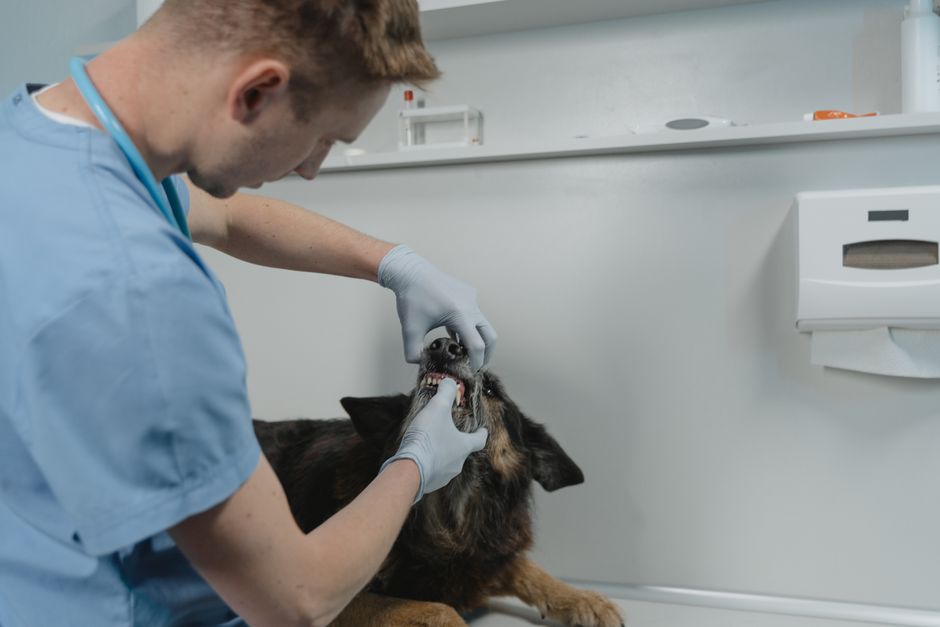
No matter how diligent you are with at-home brushing, professional dental care remains an essential part of your pet’s health routine. At East Montgomery County Animal Hospital, we recommend routine dental examinations during your dog's or cat's wellness visit. If our veterinary professionals notice signs of gingivitis or tartar buildup, we may recommend a thorough dental cleaning under anesthesia to remove plaque and tartar from both above and below the gumline.
A professional dental cleaning for pets involves a physical examination, digital dental radiographs to check for hidden problems, and ultrasonic scaling and polishing to restore a healthy surface to each tooth. The procedure is safe and performed under anesthesia to minimize stress and ensure all surfaces are properly cleaned. In some cases, pets may require additional procedures, such as veterinary tooth extractions if a tooth is severely damaged or infected. Our pet dental surgery services cover everything from routine cleanings to advanced surgical interventions.
If you’re interested in learning more about what happens during a professional pet dental cleaning, visit our page on professional dental cleanings for dogs and cats in Conroe.
At-Home Dental Care: Keeping Your Pet’s Teeth Healthy
Caring for your dog or cat’s teeth at home is one of the most effective ways to prevent dental disease and maintain oral health between veterinary visits. One of the best steps you can take is daily tooth brushing using a pet-safe toothbrush and toothpaste. Brushing removes soft plaque before it hardens into tartar, significantly reducing the risk of gum disease. If daily brushing isn’t possible, aim for several times a week to make a meaningful difference.
Incorporating dental chews, treats, or toys designed to promote oral health can also help by encouraging natural chewing behaviors that mechanically clean the teeth. Look for products approved by the Veterinary Oral Health Council (VOHC) for added peace of mind. Feeding a balanced diet with some dry kibble or special dental diets may further support oral health.
Regularly inspect your pet’s mouth for changes such as red gums, broken teeth, or unusual odors. Early detection of these signs can help you intervene before a problem progresses. Remember, cats can be especially sensitive; starting dental care routines early in life and using positive reinforcement can make the process easier for both you and your cat.
When to Schedule a Veterinary Dental Check-Up
While home care is vital, some dental issues require professional attention. It’s important to schedule a dental examination with your veterinarian if you notice any of the following in your dog or cat: persistent bad breath, visible tartar that cannot be brushed off, red or bleeding gums, loose or broken teeth, swelling around the jaw or face, or any sign of pain when eating.
Annual dental check-ups are recommended for most adult pets, but some may need more frequent evaluations, especially if they have a history of dental problems or belong to a high-risk breed. The American Animal Hospital Association (AAHA) and the American Veterinary Medical Association (AVMA) have developed comprehensive guidelines for preventive healthcare in both dogs and cats that include dental care as a core component.
If you’re ever unsure whether your pet’s dental symptoms require an urgent visit, it’s always safest to call your veterinarian. Prompt care can prevent complications and keep your pet comfortable.
Protecting Your Pet’s Smile Year-Round in Conroe
Maintaining your dog or cat’s dental health is an ongoing process that combines daily home care and regular veterinary check-ups. With Conroe’s humid climate, bacteria and tartar can build up quickly, so staying proactive is key. By brushing your pet’s teeth, offering safe dental treats, and seeking timely professional cleanings, you can help prevent pain, tooth loss, and infections that affect your pet’s overall health.
If you are searching for a trusted "vet near me" for pet dental care, our team at East Montgomery County Animal Hospital is here to support you every step of the way. We offer comprehensive dental services for dogs and cats, from preventive cleanings to pet dental surgery right here in Conroe and surrounding communities.
To schedule a dental check-up or learn more about our dental care options, call our veterinary team at (281) 689-9999 or visit us at 16715 FM 1485, Conroe, TX 77306. Together, we can help your pet enjoy a bright, healthy smile for years to come.