
Cat Eyes Cloudy? Causes, Symptoms, and When to See Your Vet
Cat Eyes Cloudy? Causes, Symptoms, and When to See Your Vet
If you have noticed your cat’s eyes looking cloudy or hazy, it’s natural to feel concerned. Cloudy eyes in cats can be a sign of anything from minor irritation to serious underlying health conditions that require prompt attention. At East Montgomery County Animal Hospital in Conroe, TX, our veterinary team understands how important your cat’s eye health is to their comfort and quality of life. In this guide, we will explore the common reasons you might see “cat eyes cloudy,” help you recognize when it’s a sign of a bigger problem, and explain the importance of timely veterinary care for your feline companion. We also share what to expect during a veterinary eye exam, steps you can take at home, and clear guidance on when to schedule a visit. If you have questions about your cat’s eyes, you are not alone—many cat owners in Conroe and surrounding communities face similar worries, and our experienced veterinarians are always here to help.
Recognizing Cloudy Eyes in Cats: What Should You Look For?
When you notice your cat’s eyes looking cloudy, it can show up in several different ways. Cloudiness might appear as a white, bluish, or grayish haze over part or all of the eye. Sometimes, the cloudiness is only visible in certain lights or angles. Key symptoms to watch for include eyes that seem dull, loss of their usual brightness, or a filmy layer that did not used to be there. Additionally, you might see your cat squinting, pawing at their face, or showing increased sensitivity to light. Other signs are redness, excessive tearing, discharge, or swelling around the eyes. In some cases, cats may become less playful or bump into objects; this can happen if vision is affected. Even if your cat is not showing obvious discomfort, any persistent change in the clarity of their eyes is reason to pay attention. It is important to keep in mind that a single episode of mild cloudiness may resolve on its own, but ongoing or worsening cloudiness is a signal to reach out to your veterinarian.
Why Are My Cat’s Eyes Cloudy? Common Causes Explained
There are several potential causes behind cloudy eyes in cats, some more serious than others. Understanding these causes can help you gauge how urgent the situation might be. One of the most frequent causes is cataracts, where the lens inside the eye becomes opaque and blocks light. Cataracts are more common in older cats, but they can occur at any age due to injury, inflammation, or underlying disease. Another frequent culprit is corneal ulcers or injuries, which can make the clear front surface of the eye appear cloudy due to swelling or infection. Feline herpesvirus is a well-known cause of chronic eye issues in cats and can lead to both inflammation and cloudiness, especially in younger or stressed cats.
Glaucoma is another serious condition where increased pressure inside the eye leads to cloudiness, pain, and in advanced cases, blindness. Uveitis, or inflammation inside the eye, can result in a milky or bluish haze and may indicate infections, immune disorders, or trauma. Less severe causes include conjunctivitis, which is inflammation of the tissues around the eye, sometimes accompanied by mild clouding. Sometimes, cloudy eyes can also be a result of age-related changes that are not immediately dangerous but still warrant monitoring. Because the causes range from mild to severe, it is always safest to have your cat’s eyes evaluated by a veterinary professional for an accurate diagnosis.
How Veterinarians Diagnose and Treat Cloudy Eyes in Cats
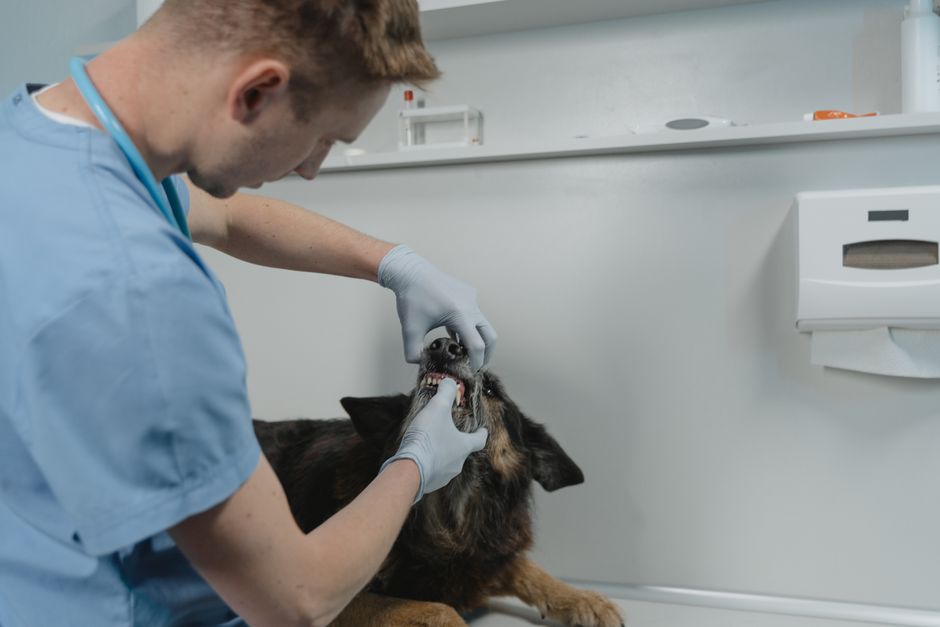
When you bring your cat to East Montgomery County Animal Hospital for cloudy eyes, our veterinarians will begin with a thorough history and physical exam. We ask about when you first noticed the cloudiness, any other symptoms your cat may be experiencing, and whether there have been recent injuries or illnesses. During the eye exam, we use specialized tools to examine the cornea, lens, and retina, and we may use fluorescein dye to check for ulcers or scratches. Our in-house laboratory capabilities allow us to test for infections or underlying systemic issues if needed. Diagnostic imaging, such as digital radiology or ultrasound, may also be used to evaluate deeper eye structures.
Treatment options depend on the underlying cause. For corneal ulcers or infections, we typically prescribe medicated eye drops or ointments to reduce pain and promote healing. If the cause is cataracts or glaucoma, advanced procedures or medications may be needed to manage pain and prevent blindness. In cases of uveitis or conjunctivitis, anti-inflammatory and antibiotic medications are often effective. For chronic viral infections, such as feline herpesvirus, long-term management strategies and supportive care help keep symptoms under control. It is important to follow your veterinarian’s instructions carefully, as missed doses or self-treating with human medications can make eye problems worse. If your cat requires emergency care for sudden or severe eye symptoms, our emergency veterinary care services are available during regular clinic hours.
Home Care and Prevention: Supporting Your Cat’s Eye Health
While not all cases of cloudy eyes in cats can be prevented, there are practical steps you can take at home to safeguard your cat’s vision. Regularly observe your cat for any changes in their eyes, such as increased tearing, squinting, rubbing, or discharge. Keeping your cat’s living environment clean and free from irritants like dust or harsh cleaning chemicals can help reduce the risk of eye injuries or infections. For cats that go outdoors, monitoring their interactions with other animals and reducing exposure to potential sources of trauma, like thorny bushes or aggressive play, is helpful.
Staying up-to-date with routine wellness examinations allows our veterinary team to catch early signs of eye disease before they become serious. During these visits, we can also discuss vaccines that help protect against infectious causes of eye problems, such as feline herpesvirus. Practicing good hygiene, such as washing your hands before and after handling your cat’s face, further reduces the risk of spreading infections. The American Veterinary Medical Association and the American Animal Hospital Association offer helpful guidelines for feline preventive care that many cat owners find useful for keeping their cats healthy year-round.
When to Schedule a Veterinary Visit for Cloudy Eyes
Knowing when to seek professional help for “cat eyes cloudy” is essential for protecting your cat’s vision and overall health. You should contact your veterinarian promptly if the cloudiness lasts for more than 24 hours, worsens quickly, or is accompanied by other symptoms such as pain, swelling, redness, or discharge. Urgent signs include sudden loss of vision, severe squinting, marked behavioral changes, or evidence of injury to the eye or surrounding tissues. Cats are very good at hiding discomfort; even mild signs can signal a serious problem.
If your cat is already being treated for an eye condition but the symptoms are not improving, do not hesitate to reach out for a recheck. Cats with chronic health issues, like diabetes or hypertension, may develop eye complications more quickly and should be monitored closely. Scheduling a comprehensive eye exam at the first sign of trouble is the best way to prevent long-term damage. Our veterinary team in Conroe is experienced in diagnosing and treating a wide range of feline eye conditions and will always prioritize your cat’s comfort and wellbeing. For questions about laboratory testing or more advanced diagnostics, we offer in-house veterinary laboratory diagnostics to support timely and accurate care.
Why Prompt Veterinary Attention Matters for Cloudy Cat Eyes
Prompt attention to cloudy eyes in cats can make the difference between quick recovery and lasting vision loss. Many eye conditions can progress rapidly if left untreated, leading to pain, infection, or permanent blindness. Early diagnosis allows for less invasive treatments and a better prognosis. Our veterinarians will explain your cat’s condition, answer your questions, and provide guidance every step of the way. We recognize that seeing any change in your cat’s eyes is stressful, and our compassionate approach helps put owners at ease while ensuring the best possible care for your feline companion.
Protect Your Cat’s Vision: Call East Montgomery County Animal Hospital in Conroe
If you have noticed your cat’s eyes are cloudy, do not wait to get answers. Acting early protects your cat’s sight and comfort, whether the cause is minor or more serious. The team of veterinarians at East Montgomery County Animal Hospital is here to support you with expert diagnostics, personalized treatment, and preventive care tailored to your cat’s needs. To schedule a wellness examination or an urgent eye evaluation, call us today at (281) 689-9999 or visit our clinic location. For those searching for a vet near me, you can trust our experienced veterinary team to deliver the highest standard of care for your cat’s eyes and overall health. Remember, when it comes to “cat eyes cloudy,” timely care in Conroe and surrounding communities can make all the difference for your feline friend’s long-term wellbeing.