
How to Keep Your Dog Safe From Fall Allergies in Conroe
How to Keep Your Dog Safe From Fall Allergies in Conroe
As autumn arrives in Conroe, TX, many pet owners look forward to cooler days and colorful foliage. However, this time of year can also bring a surge in allergy symptoms for our dogs. If you have noticed your dog itching, sneezing, or feeling uncomfortable when October rolls around, you are not alone. Fall allergies are a common problem for dogs in our region, and understanding how to recognize, prevent, and manage these symptoms is essential for keeping your pet happy and healthy.
At East Montgomery County Animal Hospital, our veterinary team in Conroe, TX is dedicated to helping dogs and their owners navigate seasonal challenges. In this article, we will explore the top fall allergy triggers for dogs in our area, how to spot the signs of allergies, what you can do at home to minimize your dog's discomfort, and when it is time to schedule a veterinary visit. If you are looking for expert advice on managing fall allergies in dogs, you are in the right place.
Recognizing the Signs of Fall Allergies in Dogs
Many pet owners first notice allergy symptoms in their dog as the weather begins to change. Common signs that your dog may be struggling with fall allergies include persistent scratching, licking or chewing at their paws or belly, redness or irritation of the skin, watery eyes, frequent sneezing, and recurring ear infections. Some dogs may also develop hot spots, which are patches of inflamed, moist skin caused by excessive licking or scratching. Additionally, you might observe your dog rubbing their face on the carpet or furniture in an effort to relieve itching.
It can be easy to mistake allergy symptoms for other conditions, such as fleas or dry skin, but the pattern and timing of these signs frequently point to environmental allergies. Dogs with fall allergies often show increased symptoms after spending time outdoors, especially following walks in wooded areas or after lying in piles of leaves. If you notice any of these signs in your dog, it is important to monitor their symptoms closely and consider whether seasonal triggers could be at play.
What Causes Fall Allergies in Conroe Dogs?
The primary culprits behind fall allergies in dogs are environmental allergens that become more prevalent during autumn. In Conroe and surrounding communities, ragweed pollen is one of the top triggers for seasonal allergies. As ragweed blooms in late summer and fall, its pollen can travel long distances and settle on your dog's fur, skin, and paws. Other common fall allergens include mold spores, which thrive in damp leaf piles and decaying vegetation, as well as certain grasses and weeds that peak during this season.
Dogs can also be sensitive to dust mites that accumulate indoors when windows are closed for cooler weather. In some cases, fall allergies are not limited to outdoor triggers; changes in your dog's environment, such as increased time spent indoors or the use of scented candles and cleaning products, can also contribute to allergy flare-ups.
It is important to remember that some dogs are genetically predisposed to allergies, especially certain breeds like Golden Retrievers, Boxers, Bulldogs, and Terriers. If your dog has a history of skin or ear problems, they may be more likely to experience seasonal allergy symptoms.
How Veterinary Care Can Help: Diagnosis and Treatment
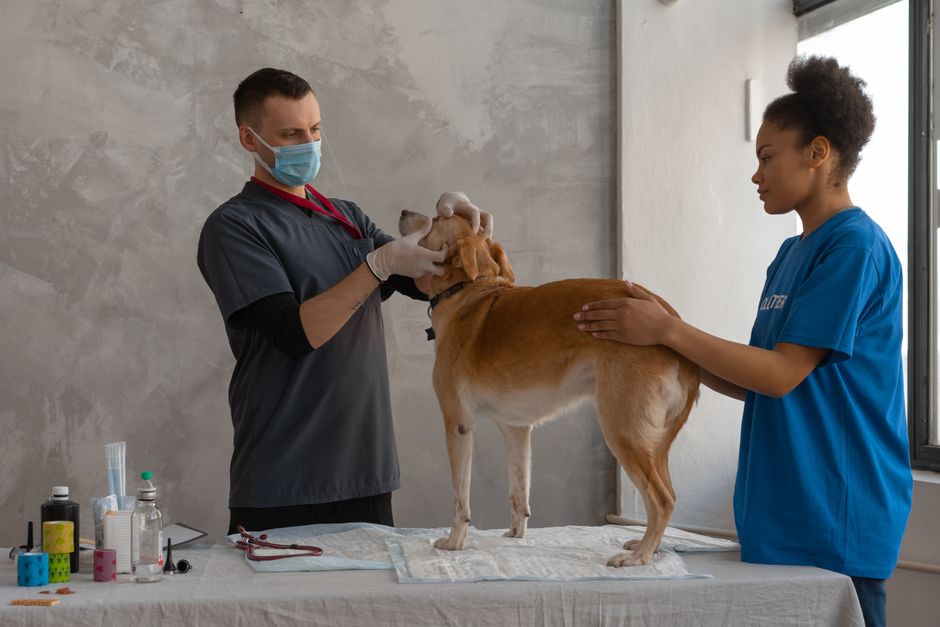
When at-home efforts do not resolve your dog's symptoms, or if your pet's discomfort seems severe, professional veterinary care is essential. At East Montgomery County Animal Hospital, our team offers thorough examinations to pinpoint the cause of your dog's itching and discomfort. We may recommend diagnostic testing to rule out other conditions, such as fleas, mites, or infections, which can mimic allergy symptoms.
For dogs with persistent or severe allergies, we provide a range of treatment options tailored to your pet's needs. Management typically involves a combination of therapies, which may include prescription antihistamines, anti-itch medications, medicated shampoos, or topical treatments to soothe inflamed skin. In some cases, your veterinarian may recommend allergy testing to identify specific triggers and help guide long-term management. Our clinic offers dermatology and allergy testing services for pets in Conroe, which can be especially helpful for dogs with chronic or challenging allergies.
Additionally, dogs who develop secondary infections from scratching or licking may need antibiotics or antifungal medications. Our veterinary team will discuss the best course of action based on your dog's unique symptoms and medical history, always working with you to keep your pet as comfortable as possible.
Practical Steps to Reduce Allergy Symptoms at Home
While professional care is important, there are several steps you can take at home to help minimize your dog's exposure to fall allergens and reduce their symptoms. Wiping your dog's paws, belly, and coat with a damp cloth after outdoor walks can help remove pollen and mold spores before they cause irritation. Frequent bathing with a gentle, hypoallergenic shampoo can also soothe itchy skin and wash away allergens.
Vacuuming your home regularly, especially areas where your dog spends the most time, is another effective way to control indoor dust and pollen. Washing your dog's bedding in hot water once a week helps reduce allergen buildup. If your dog is particularly sensitive, consider running a HEPA air filter to improve indoor air quality.
It is also wise to avoid walking your dog during peak pollen times, which are typically early in the morning or on windy days. Instead, opt for short outings when pollen counts are lower, and try to keep your dog away from leaf piles or areas with heavy vegetation. If you use scented candles, air fresheners, or cleaning products, choose unscented or pet-safe options to minimize additional irritants.
Feeding your dog a high-quality diet with essential fatty acids may support skin health and reduce inflammation. Always consult with your veterinarian before making significant changes to your pet's diet or introducing new supplements.
When Should You Schedule a Veterinary Visit?
While mild allergy symptoms can sometimes be managed at home, there are situations where professional help is necessary. Schedule an appointment with our veterinary team if your dog's itching persists for more than a few days, if they develop open sores or hot spots, or if they show signs of pain, lethargy, or loss of appetite. Dogs who experience frequent ear infections, excessive hair loss, or changes in skin color should also be evaluated by a veterinarian.
In some cases, allergy symptoms can become severe enough to interfere with your dog's quality of life or lead to secondary skin infections. If you notice your dog is excessively scratching to the point of bleeding, or if they seem unusually uncomfortable, do not wait to seek care. Prompt intervention can provide relief and prevent complications.
Our team at East Montgomery County Animal Hospital is equipped to diagnose and treat a wide range of allergy issues, ensuring your dog gets the care they need to enjoy a comfortable autumn. If you are unsure whether your dog's symptoms require veterinary attention, it is always better to err on the side of caution and reach out for guidance.
Supporting Your Dog's Comfort Through the Fall Season
Fall allergies are a common challenge for dogs in Conroe and surrounding areas, but with proactive care and the support of a knowledgeable veterinary team, your pet can enjoy the season to the fullest. Recognizing the signs of allergies early, minimizing exposure to common triggers, and seeking professional help when needed are the most important steps you can take. Remember that every dog is unique; what works for one pet may not work for another, so ongoing communication with your veterinarian is key.
If you have questions about your dog's allergy symptoms or want to learn more about our dermatology and allergy testing services for pets in Conroe, East Montgomery County Animal Hospital is here to help. Our team of veterinarians is committed to providing personalized care for your dog and supporting you every step of the way.
When searching for a vet near me, choosing a clinic with experience in seasonal allergies and a compassionate approach can make all the difference. To schedule an appointment or discuss your dog's allergy concerns, call us at (281) 689-9999 or visit us at 16715 FM 1485, Conroe, TX 77306. Let us help your dog feel their best all autumn long.
This article is intended for general informational purposes only and should not be used as a substitute for professional veterinary advice. Always consult with your veterinarian for guidance specific to your pet's health needs.