
Cloudy Eye in Cat: Causes and When to See the Vet
Cloudy Eye in Cat: Causes and When to See the Vet
If you have noticed your cat’s eye suddenly appearing cloudy, it is natural to feel worried and wonder what this change might mean for your feline companion’s health. Cloudy eye in cats can signal a variety of underlying issues, from minor irritations to more serious conditions that threaten vision or comfort. At East Montgomery County Animal Hospital, located at 16715 FM 1485, Conroe, TX 77306, our veterinary team understands how important your cat’s wellbeing is to you. In this guide, we will explore the most common causes of cloudy eye in cats, share symptoms to watch for, and explain when it is time to schedule an appointment for a professional evaluation. Our goal is to help you protect your cat’s vision and comfort with timely, expert care from a trusted local clinic serving Conroe and nearby communities.
Recognizing Cloudy Eye in Your Cat: Early Signs and Symptoms
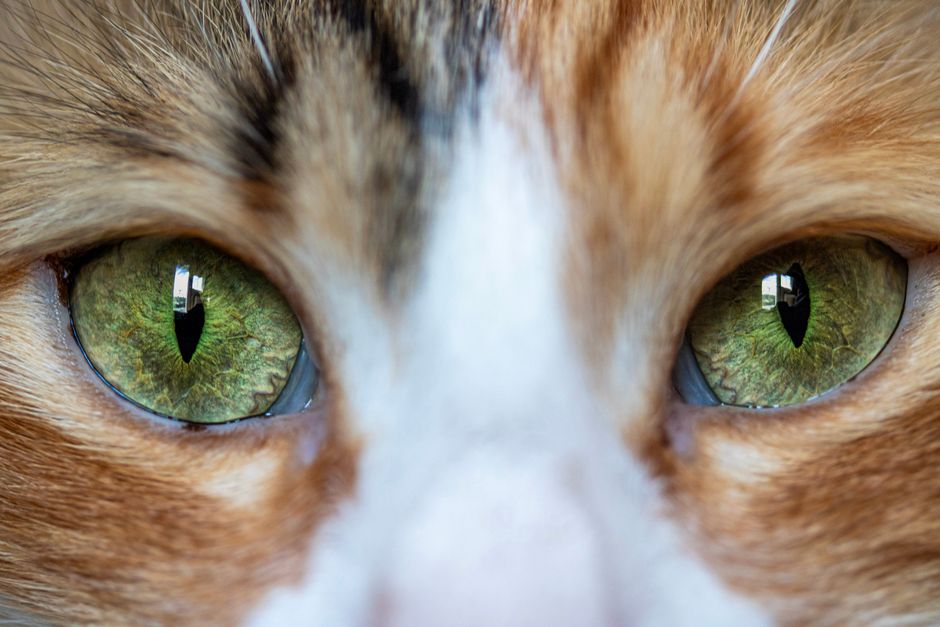
Cats are experts at hiding discomfort, which can make it challenging to spot eye problems early on. A cloudy eye in your cat may develop gradually or appear quite suddenly, so paying close attention to changes is important. Common signs that indicate there might be an issue include a bluish, white, or grayish haze over part or all of the eye, increased tearing or discharge, frequent squinting or blinking, and sensitivity to light. You may also notice your cat pawing at the affected eye, keeping it partially closed, or seeming less active than usual. Sometimes, redness around the eye or a visible swelling of the third eyelid can accompany cloudiness.
If you observe any of these symptoms, it is important to monitor your cat closely. Even mild eye changes can progress quickly, especially if the underlying cause is infectious or inflammatory in nature. Prompt attention and documentation of what you see — such as noting when the cloudiness began and any changes in your cat’s behavior — can be helpful for your veterinarian during the examination.
What Causes Cloudy Eye in Cats? Understanding the Underlying Issues
Cloudy eye in cats is not a diagnosis itself; instead, it is a symptom that can be linked to several different eye conditions. The most common causes include corneal ulcers, cataracts, uveitis (inflammation inside the eye), glaucoma, and lenticular sclerosis.
Corneal ulcers occur when the clear surface of the eye becomes scratched or damaged, often leading to a milky or opaque appearance. Infections, scratches from play, or exposure to irritating substances can all be culprits. Cataracts are a clouding of the lens inside the eye, more common in older cats or those with certain diseases like diabetes. Uveitis is inflammation of the middle layer of the eye, which can develop due to infections, trauma, or immune system disorders; this condition often leads to both cloudiness and discomfort. Glaucoma, a build-up of pressure within the eye, can cause cloudiness, pain, and eventual vision loss if left untreated. Lenticular sclerosis tends to occur in older cats and usually appears as a bluish haze in the eye, though it rarely affects vision as cataracts do.
Other potential reasons for cloudy eyes include chronic conjunctivitis, certain viral or bacterial infections, or trauma. Each of these conditions requires a specific approach to treatment and diagnosis, so professional evaluation at the earliest sign of eye changes is always best.
Diagnostic Approach: How Vets Assess Cloudy Eyes in Cats
When you bring your cat to East Montgomery County Animal Hospital for a cloudy eye, our veterinary professionals will start with a thorough history and physical examination. We will ask about your cat’s recent activities, any other symptoms you have noticed, and when you first saw the cloudiness. During the eye exam, we use specialized instruments to look at the cornea, lens, and internal structures of the eye. Gentle staining techniques can help highlight any scratches or ulcers on the cornea, while tests to measure tear production and eye pressure may be performed to rule out dry eye or glaucoma.
Advanced diagnostics, such as in-house laboratory testing or digital imaging, may be recommended if we suspect infection or a more complex disease process. Our clinic offers laboratory diagnostics for cats, allowing us to quickly identify underlying infections or systemic illnesses that could be impacting your cat’s eyes. This comprehensive approach ensures that we address both the eye condition itself and any related health issues, giving your cat the best chance for a full recovery.
Treatment Options for Cloudy Eye in Cats
Treatment for a cloudy eye in your cat depends entirely on the underlying cause, which is why a veterinary diagnosis is crucial. For corneal ulcers, therapy may involve antibiotic or antiviral eye drops, pain relief medications, and in some cases, protective collars to prevent self-trauma. Cataracts, if they are not affecting vision significantly, may simply be monitored; however, surgical removal is sometimes recommended if vision loss is severe and your cat is otherwise healthy.
Uveitis and glaucoma are both serious conditions that require prompt, specific treatment. Uveitis is managed with anti-inflammatory medications, sometimes combined with antibiotics or antivirals if an infection is present. Glaucoma usually calls for medications to lower eye pressure; in advanced cases, surgery may be required to relieve pain and preserve any remaining vision. For cats diagnosed with lenticular sclerosis, reassurance is often all that is needed, as this age-related change rarely causes discomfort or significant vision loss.
Throughout the treatment process, our veterinary team works closely with you to tailor a care plan that suits your cat’s unique needs. We provide guidance on administering medications at home, monitoring for side effects, and scheduling follow-up visits to track your cat’s progress.
Home Care and Prevention: Supporting Your Cat’s Eye Health
While not all causes of cloudy eye in cats can be prevented, there are steps you can take at home to reduce your cat’s risk of developing eye issues. Keeping your cat indoors helps limit exposure to infectious agents, trauma, or environmental irritants that can harm the eyes. Regularly cleaning your cat’s bedding and living areas can also minimize the risk of infection. It is important to avoid using any human medications or over-the-counter eye products on your cat, as some substances can be toxic or worsen the problem.
Scheduling routine wellness exams with our veterinary team at East Montgomery County Animal Hospital is one of the best ways to catch early signs of eye disease. During these visits, we assess your cat’s overall health, check for subtle changes in the eyes, and provide personalized recommendations based on age, lifestyle, and risk factors. If your cat is older or has chronic health issues like diabetes, more frequent checkups may be advised to track for age-related changes such as cataracts or lenticular sclerosis.
When to See the Vet: Recognizing Urgent and Non-Urgent Eye Problems
It is always wise to err on the side of caution when it comes to your cat’s eyes. If you notice a cloudy eye in your cat — especially if the cloudiness appears suddenly, is accompanied by redness, swelling, discharge, squinting, or behavioral changes — prompt veterinary care is essential. Additional warning signs include visible wounds to the eye, bleeding, severe pain, or sudden loss of vision; these situations may require immediate attention, as conditions like corneal ulcers or glaucoma can worsen rapidly and threaten your cat’s sight.
Even if the cloudiness seems mild and your cat is otherwise acting normally, it is important to schedule an appointment for a professional evaluation. Early intervention can prevent complications and keep your cat comfortable. Our team at East Montgomery County Animal Hospital is here to help, offering comprehensive eye care and emergency veterinary care for urgent medical needs.
Protecting Your Cat’s Vision in Conroe: Why Timely Care Matters
Your cat’s eyes are not only windows to their soul, but essential to their quality of life. Cloudy eye in cats should never be ignored, as it can signal anything from a minor issue to a condition that risks permanent vision loss. By understanding what to watch for, seeking veterinary advice promptly, and following a proactive home care routine, you help ensure your cat enjoys clear sight and lasting comfort.
If you are searching for a veterinarian near me after noticing a cloudy eye in your cat, East Montgomery County Animal Hospital is here to provide the expertise and compassion you need. Our veterinary professionals serve Conroe and surrounding communities with comprehensive care for cats and dogs, always focused on your pet’s best interests. To schedule an appointment or speak with our team about your cat’s eye health, call us at (281) 689-9999 or visit us at 16715 FM 1485, Conroe, TX 77306. For additional information about urgent or routine care for your cat’s vision, explore our emergency veterinary care and laboratory diagnostics for cats pages. Your cat’s comfort and eyesight are our priority, and we are always here to help you navigate any health concern with confidence and support.
This article is intended for informational purposes only and should not replace professional veterinary advice. If you have concerns about your cat’s eye health, please consult your veterinarian promptly.