
Keeping Pets Safe From Heat and Humidity in Conroe
Keeping Pets Safe From Heat and Humidity in Conroe
As summer lingers into September here in Conroe, TX, pet owners often find themselves worrying about how their dogs and cats will cope with the persistent heat and humidity. High temperatures combined with muggy air can put your pet at risk for heat stress, dehydration, and even more serious medical emergencies. At East Montgomery County Animal Hospital, we understand just how challenging Texas weather can be for pets and their families. Our veterinary team is committed to helping you keep your companions safe, comfortable, and healthy all season long. In this blog, we will discuss how to recognize the warning signs of heat-related illness in pets, what causes these conditions, practical steps you can take at home, and when it’s time to seek professional veterinary care. Whether you live in Conroe or any of our surrounding communities, we hope this guide will empower you to protect your pets from the dangers of heat and humidity. If you have questions about your pet’s health or need to schedule a wellness visit, our team at 16715 FM 1485, Conroe, TX 77306 is here to help.
Recognizing Signs of Heat Stress in Dogs and Cats
Understanding how heat and humidity affect your pets is the first step toward effective prevention. Dogs and cats are not as efficient at cooling themselves as humans are. Instead of sweating, they rely on panting and limited sweat glands in their paw pads to release excess heat. When temperatures and humidity soar in Conroe, your pet’s ability to cool off can quickly become overwhelmed.
Key symptoms of heat stress in pets include excessive panting, drooling, restlessness, and rapid breathing. You might notice your dog or cat seeking shade or cool surfaces more than usual, or appearing lethargic and less willing to play or go outside. As heat stress progresses, signs can worsen to vomiting, diarrhea, bright red or pale gums, unsteady movement, and collapse. In some cases, seizures or loss of consciousness may occur. Cats may show more subtle signs such as open-mouth breathing, increased grooming, or hiding. It is important to recognize these symptoms early because heat exhaustion can quickly become life-threatening.
Pets with pre-existing health conditions, very young or senior animals, flat-faced breeds such as Bulldogs or Persians, and those with thick coats are at higher risk for heat-related illness. Always be especially vigilant with these pets during hot, humid days.
Why Heat and Humidity Are Dangerous for Pets
Texas weather brings not only high temperatures but also humidity levels that make it even harder for your pet to cool off. While panting helps dogs and cats evaporate moisture from their tongues and respiratory tract, high humidity slows this process down. This means your pet’s natural cooling system becomes less effective, and their internal body temperature can rise quickly.
Factors contributing to heat stress include direct sunlight, lack of shade, inadequate water intake, and overexertion during outdoor activities. Asphalt and concrete surfaces can also become dangerously hot, causing burns on paw pads and increasing the amount of reflected heat your pet absorbs. Even short walks during peak heat can be risky, so always check surfaces and choose cooler times of day for outings.
Indoor environments without adequate ventilation or air conditioning can also pose a risk. Garages, sheds, and cars can heat up rapidly, even with windows cracked. Never leave your pet in a parked car, as temperatures inside can become fatal within minutes.
Veterinary Treatment and What to Expect if Your Pet Suffers Heat Stress
If your pet shows signs of moderate to severe heat stress, immediate action is critical. Begin by moving your dog or cat to a cooler environment and offering small amounts of cool (not ice-cold) water. Wetting their paws, ears, and fur with room-temperature water can also help lower body temperature gradually. However, severe symptoms such as vomiting, collapse, seizures, or loss of consciousness require urgent veterinary attention.
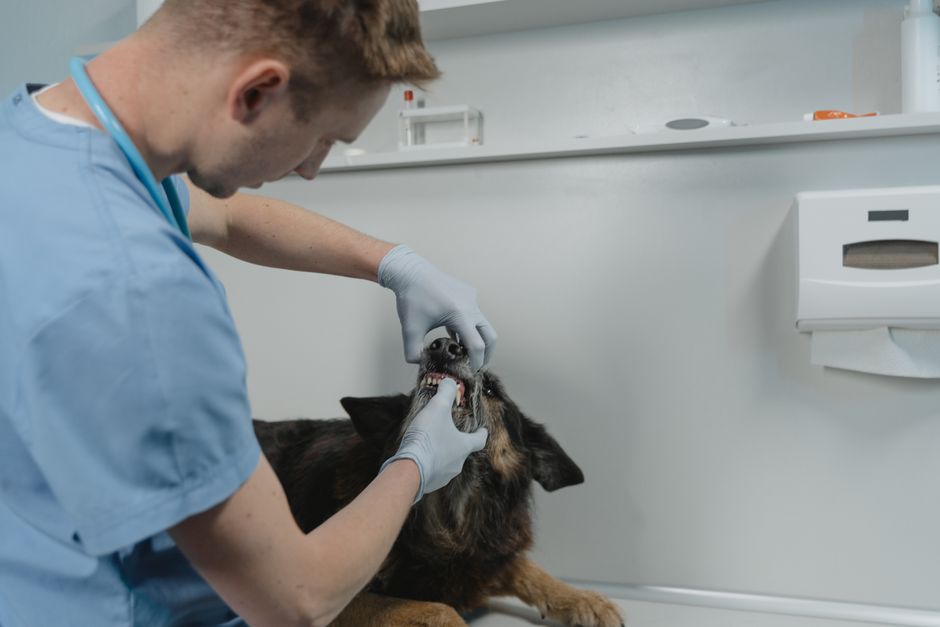
At East Montgomery County Animal Hospital, our veterinary team is equipped to assess and treat pets suffering from heat-related illness. Treatment approaches may involve intravenous fluids to combat dehydration, oxygen therapy to support breathing, and careful monitoring of organ function. Our team will also use specialized equipment to measure your pet’s internal temperature and provide supportive care as needed. In some cases, additional diagnostics such as bloodwork or imaging may be recommended to check for complications affecting the kidneys, heart, or nervous system.
Prompt intervention is essential for a good outcome, so never hesitate to contact us if you are concerned about your pet’s wellbeing during hot weather. For more information about how we support pets in urgent situations, you can learn about our emergency veterinary care services in Conroe.
How to Prevent Heat Stress: Home Care Tips for Pet Owners
Preventing heat-related illness is always easier than treating it. Practical steps you can take at home include ensuring your pets have constant access to fresh, cool water and shaded areas. On hot days, limit outdoor time to early morning or late evening hours when temperatures are lower. Watch for warning signs of overheating during walks or playtime, and take frequent breaks in cool environments.
Never leave your dog or cat unattended in a vehicle or confined space, even for a few minutes. Instead, keep them indoors where air conditioning or fans can help maintain a comfortable temperature. If your home is not air conditioned, consider using cooling mats, damp towels, or frozen water bottles (wrapped in cloth) to provide a cool resting spot for your pet.
Grooming plays a role in heat management as well. Regular brushing helps remove excess hair and reduces the risk of matting, which can trap heat close to your pet’s skin. However, avoid shaving breeds with double coats, as their fur also protects against sunburn and insulates against heat.
For pets with chronic health issues, obesity, or those on specific medications, consult with our veterinarians about additional steps you can take. Periodic wellness examinations help us catch potential problems early and tailor advice to your individual pet’s needs.
When to Seek Veterinary Care for Heat-Related Illness
Knowing when to call your veterinarian can save your pet’s life. If your dog or cat is panting excessively, drooling more than usual, appears weak, wobbly, or confused, or stops responding to you, it is time to take action. Vomiting, diarrhea, pale or bright red gums, collapse, or seizures are signs of a medical emergency and require immediate professional care.
Do not try to treat severe heatstroke at home, as rapid cooling or delayed intervention can be dangerous. Contact our veterinary team right away or head to the nearest animal hospital for assessment and treatment. If you are unsure whether your pet’s symptoms require a same-day visit, our team at East Montgomery County Animal Hospital can provide guidance over the phone at (281) 689-9999.
Pets who have experienced heatstroke are at increased risk for future episodes, so follow-up care and preventive advice from your veterinarian are essential. Routine checkups and open communication with your veterinary team help ensure your pet stays healthy through every Texas summer.
Helping Your Pet Thrive in Conroe’s Climate
Living with pets in Conroe means adapting to the unique challenges of our local weather. By staying alert to the signs of heat stress, providing plenty of cool water and shade, and adjusting routines during hot, humid days, you can help your dog or cat stay safe and happy all year long. Our team at East Montgomery County Animal Hospital is proud to support pet owners throughout Conroe and the surrounding communities with preventive care, emergency support, and personalized advice.
If you need guidance on summer pet care or are searching for a trustworthy "vet near me," our experienced veterinarians are here to answer your questions and provide compassionate care. Schedule a wellness visit or reach out if you notice any concerning symptoms in your dog or cat. For more information on preventive health recommendations, you can explore the AAHA-AVMA preventive healthcare guidelines for dogs or the AAHA-AVMA preventive healthcare guidelines for cats.
To book an appointment or speak with one of our veterinary professionals, call (281) 689-9999 or visit us at 16715 FM 1485, Conroe, TX 77306. Your pet’s wellbeing is our top priority, and we are here to help you navigate every season with confidence and peace of mind.