
Why Is My Dog Limping? Common Causes and Next Steps
Why Is My Dog Limping? Common Causes and Next Steps
If you have noticed your dog limping around the house or hesitating to jump on the couch, you are not alone. Limping in dogs is a common concern for pet owners in Conroe and the surrounding communities. At East Montgomery County Animal Hospital, we know how unsettling it can be to see your dog in discomfort or pain. Whether your dog’s limp started suddenly after a walk or has come on gradually, understanding the possible reasons behind the limp and knowing what to do next can make all the difference in your pet’s recovery. In this blog, we will guide you through the most frequent causes of limping in dogs, explain how you can safely check your dog at home, and outline when it is time to schedule an appointment with our veterinary team at our convenient 16715 FM 1485, Conroe, TX 77306. You will also learn about the advanced diagnostic and treatment options available to your dog at our clinic, ensuring your companion receives the best possible care close to home.
Recognizing the Signs: Is Your Dog Limping?
Limping can look different from one dog to another, and sometimes the signs are subtle at first. You might notice your dog favoring one leg, moving awkwardly after getting up from a nap, or hesitating to run and play as usual. Some dogs may hold a paw off the ground, while others develop a stiff gait or only limp after activity. Early signs to watch for include your dog licking at a specific paw, showing reluctance to climb stairs, or even vocalizing when trying to move. In more obvious cases, your dog may refuse to put weight on a leg entirely.
It is important to observe if the limp is constant or comes and goes. Acute limping, which appears suddenly, is often linked to an injury or trauma. Chronic limping, which develops slowly over time, may suggest an underlying joint or bone condition. Noticing when and how the limp started, along with any other changes in your dog’s behavior, can help your veterinarian determine the underlying cause more quickly.
Common Causes of Limping in Dogs
There are many reasons a dog may start limping, ranging from minor issues to more serious medical conditions. Causes of limping in dogs include injuries such as sprains, strains, or ligament tears, which often occur during play or exercise. Paw problems are also frequent culprits; these include cuts, thorns, insect stings, or even objects stuck between the toes. Broken nails and pad injuries can cause sudden pain and limping as well.
Joint issues are another leading cause. Dogs, especially as they age, can develop arthritis or degenerative joint disease, making movement painful and resulting in a limp that gradually worsens over time. In young, large-breed dogs, conditions like panosteitis or hip dysplasia may be to blame. In some cases, limping can signal more serious problems such as bone fractures, dislocations, or even certain types of cancer affecting the bones.
Less commonly, systemic illnesses like infections or immune-mediated diseases can also lead to lameness. Tick-borne diseases, for example, can cause joint inflammation and shifting leg lameness. If your dog has had recent exposure to ticks or new environments, sharing this information with your veterinarian is important during your visit.
How to Safely Check Your Dog at Home
If you notice your dog limping, your first instinct might be to examine the leg yourself. It is important to do this gently and with your dog’s comfort in mind. Begin by keeping your dog calm and in a quiet area. Observe which leg or paw your dog is favoring, then carefully check for visible injuries, swelling, or heat compared to the other limbs. Look between the toes for foreign objects, inspect the paw pads for cuts or punctures, and check for broken or torn nails.
If your dog shows signs of pain when you touch a certain area, such as pulling away, whining, or snapping, stop your exam and avoid further manipulation. Never attempt to set a bone, re-position a joint, or pull out deeply embedded objects at home; these situations require professional care right away. If there is significant bleeding, deep wounds, or your dog is unable to walk at all, contact your veterinarian immediately.
Keeping a brief record of when the limp started, what activities preceded it, and any observations you made during your home check will be helpful for your veterinary team during the examination.
Diagnostic Approaches at the Veterinary Clinic
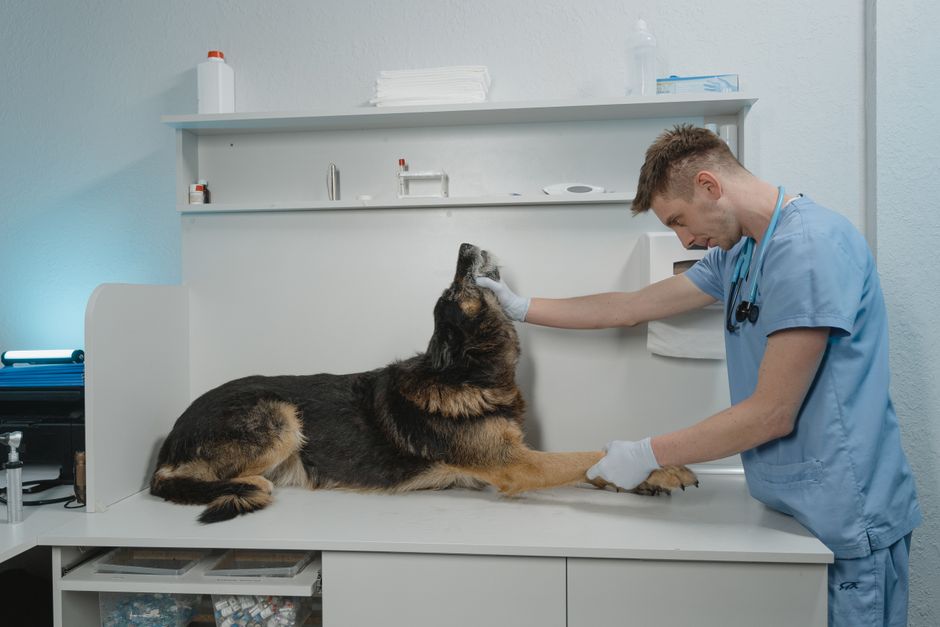
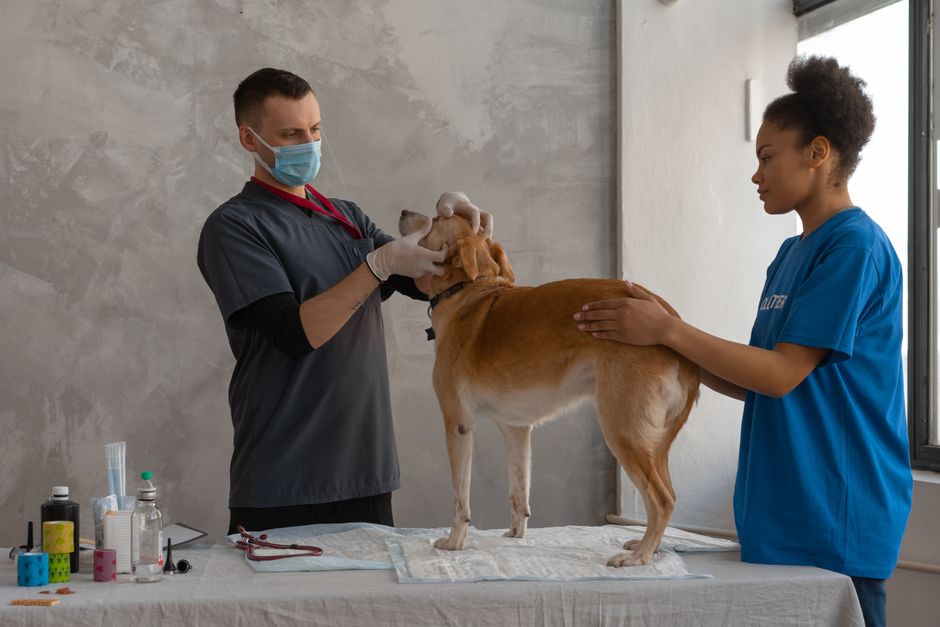
When you bring your dog to East Montgomery County Animal Hospital for limping, our team of veterinarians will begin with a thorough physical examination, focusing on the affected limb and overall mobility. Depending on the findings, we may recommend additional diagnostic tests to pinpoint the exact cause of your dog’s lameness.
For many injuries or chronic joint conditions, diagnostic imaging is a crucial next step. Our clinic offers digital radiology services to quickly and comfortably evaluate bones and joints for fractures, dislocations, or arthritis. In certain cases, our veterinarians may recommend veterinary ultrasounds to assess soft tissue injuries or rule out deeper internal problems. Laboratory diagnostics, such as blood tests or tick panels, can help identify infections or underlying health concerns that might be contributing to your dog’s limp.
Our commitment is to provide a clear diagnosis so we can develop the most effective treatment plan for your pet’s unique situation.
Treatment Options for Limping Dogs
Once the cause of your dog’s limp is identified, treatment will be tailored to your dog’s needs. For mild injuries, rest and pain management are often recommended. This may involve restricting activity, using anti-inflammatory medications prescribed by your veterinarian, and monitoring for improvement over several days.
For injuries like ligament tears, fractures, or dislocations, more advanced treatments may be necessary. Our clinic is equipped to provide a range of surgical options, including veterinary surgery for severe injuries that cannot heal with rest alone. In cases of chronic joint disease or arthritis, long-term management strategies such as weight control, joint supplements, and physical therapy can help maintain your dog’s comfort and mobility.
If an infection or systemic illness is the cause, targeted treatments such as antibiotics or other medications will be prescribed. Your veterinarian will discuss all available options, answer your questions, and support you through each stage of your dog’s recovery.
Home Care and Prevention: Supporting Your Dog’s Recovery
Caring for your limping dog at home is an important part of the healing process. Key steps include ensuring your dog has a comfortable, quiet place to rest away from slippery floors or steps. Keeping walks short and avoiding strenuous play will help prevent further injury. Administer all medications exactly as prescribed and monitor for any changes in your dog’s condition.
To help prevent future limping, maintain regular wellness examinations for your dog, especially as they age or if they are a high-energy breed. Keep your dog’s nails trimmed, check paws regularly after outdoor activities, and maintain a healthy weight to reduce joint stress. If your dog is especially active, consider using ramps for getting in and out of vehicles or off furniture to protect their joints.
If you have any concerns about your dog’s progress or notice new symptoms such as swelling, increased pain, or fever, do not hesitate to contact our veterinary team for guidance.
When to Call Your Veterinarian
While some mild limps can resolve with rest, certain situations require prompt veterinary attention. You should schedule an appointment at East Montgomery County Animal Hospital if your dog is unable to bear weight on a limb, shows severe pain, has visible swelling, an open wound, or if the limp persists for more than a day or two without improvement. Other red flags include sudden changes in behavior, fever, loss of appetite, or signs of distress.
If you are ever unsure, it is always safer to have your dog evaluated by a professional. Our veterinarians are here to help determine the cause of your dog’s limping and provide the treatments needed to get them back on their feet.
Your Local Partner for Canine Health in Conroe
Seeing your dog limp can be stressful, but you do not have to navigate this challenge alone. At East Montgomery County Animal Hospital, we are dedicated to keeping your dog happy, healthy, and active through every stage of life. Our team is here to answer your questions, provide thorough diagnostics, and deliver compassionate, expert care when your dog needs it most.
If you are searching for a "vet near me" in Conroe or the surrounding communities, look no further than our experienced veterinarians at 16715 FM 1485, Conroe, TX 77306. To schedule an appointment or discuss your dog’s symptoms, please call us at (281) 689-9999. Let us help your dog regain their comfort and mobility with trusted, local veterinary care.
Remember, early intervention often leads to the best outcomes. If your dog is limping, contact our team today so we can work together to get your companion back to their best. For urgent concerns, our emergency veterinary care is also available to support you and your pet when prompt attention is needed.