
Cat Cloudy Eyes: Causes, Symptoms, and When to See a Vet
Cat Cloudy Eyes: Causes, Symptoms, and When to See a Vet
If you have noticed your cat’s eye looking cloudy, it can be alarming and leave you wondering whether your cat is in pain or at risk of losing vision. At East Montgomery County Animal Hospital in Conroe, TX, we know how important your cat’s eye health is to their overall wellbeing. Cloudy eyes in cats can be caused by a variety of issues, ranging from minor irritations to serious underlying conditions that require prompt veterinary attention. In this blog, we’ll help you understand why cat cloudy eyes occur, the symptoms you should watch for, what causes cloudiness, what you can do at home, and when it’s time to schedule a visit with your veterinarian. Our team is dedicated to protecting your cat’s vision and comfort, serving Conroe and surrounding communities with comprehensive care for dogs and cats.
Recognizing Cat Cloudy Eyes: What Should You Watch For?
Changes in your cat’s eyes can be subtle or sudden, but any cloudiness deserves a closer look. Cat cloudy eyes may appear as a hazy, milky, or bluish film covering part or all of the eye. Sometimes, the cloudiness is accompanied by other symptoms such as redness, squinting, excessive tearing, discharge, swelling, or your cat rubbing at their face. You might notice your cat hesitating to jump, bumping into furniture, or shying away from bright lights. In some cases, the cloudiness comes on gradually, making it harder to spot unless you’re observing your cat regularly. It’s important to remember that even mild cloudiness can signal an underlying issue, so early detection is key to preserving your cat’s vision and quality of life.
Understanding the Causes of Cat Cloudy Eyes
There are several reasons why a cat’s eye may become cloudy, and pinpointing the exact cause often requires a thorough veterinary examination. Some of the most common causes include corneal ulcers, which are open sores on the surface of the eye that can result from injuries, scratches, or infections. Cataracts, which are opacities in the lens of the eye, can block light and cause a cloudy appearance; these are more common in older cats or those with diabetes. Glaucoma, a condition involving increased pressure within the eye, can also lead to cloudiness, pain, and eventual vision loss if not treated. Other possible causes include uveitis (inflammation inside the eye), dry eye (keratoconjunctivitis sicca), and conjunctivitis (pink eye), which may be linked to viral or bacterial infections.
In some cases, allergies or environmental irritants like dust, pollen, or household chemicals can inflame the eye and cause temporary cloudiness. Systemic illnesses, such as feline leukemia virus (FeLV) or feline immunodeficiency virus (FIV), may also affect the eyes and lead to cloudiness. Because the list of potential causes is so broad, it’s important not to ignore any changes in your cat’s eyes.
Symptoms That Deserve Attention
When it comes to cat cloudy eyes, the symptoms you observe can provide important clues about the underlying problem. Key symptoms include visible cloudiness over the eye, redness or swelling of the surrounding tissues, discharge that may be clear, yellow, or green, and increased blinking or squinting. Additional warning signs are pawing at the face, sensitivity to light, and changes in your cat’s behavior, such as hiding or reluctance to engage in normal activities. If your cat’s eye appears suddenly cloudy or if the cloudiness is accompanied by pain, lethargy, or loss of appetite, it is especially important to act quickly. Any signs of vision loss, such as your cat missing jumps or appearing disoriented, should be taken seriously as well.
How Veterinarians Diagnose Cat Cloudy Eyes
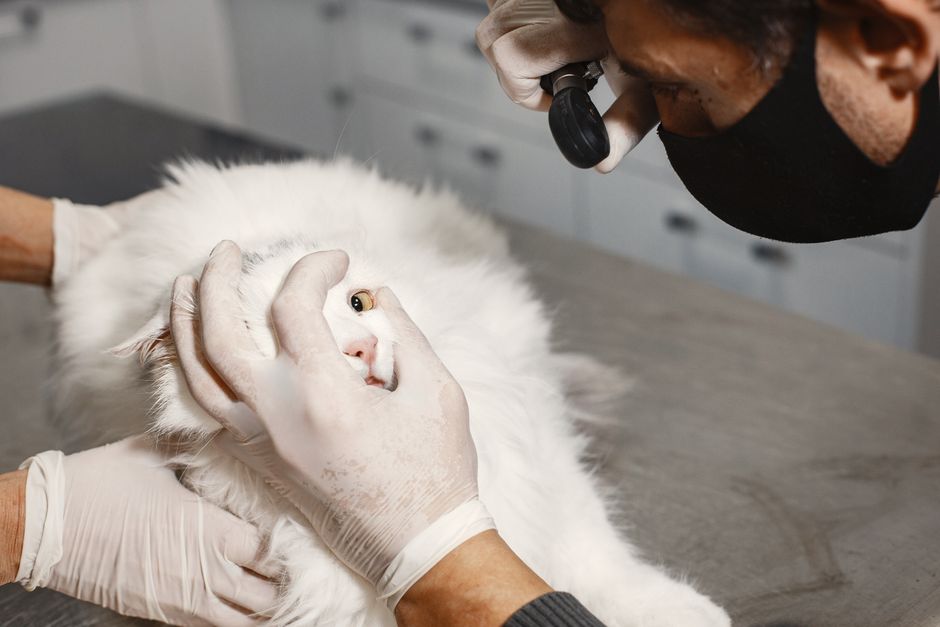
Diagnosing the cause of cat cloudy eyes begins with a thorough physical exam and a detailed history of your cat’s symptoms and environment. At East Montgomery County Animal Hospital, our veterinarians may use specialized tools to examine the eye, such as an ophthalmoscope to look at the internal structures and a fluorescein stain to detect corneal ulcers. We may recommend in-house laboratory diagnostics to check for systemic conditions or infections that could be affecting your cat’s eyes. In some cases, advanced imaging like digital veterinary radiology or an ultrasound may be helpful for evaluating deeper eye structures. Identifying the underlying cause is essential for developing an effective treatment plan and preserving your cat’s vision.
Treatment and Management of Cat Cloudy Eyes
Treatment for cat cloudy eyes depends on the diagnosis. Many conditions, such as corneal ulcers or infections, require prescription medications like antibiotic or antiviral eye drops. Anti-inflammatory medications may be used to reduce pain and swelling. For conditions like glaucoma, medications to decrease eye pressure are often prescribed; surgery may be needed in severe cases. Cataracts can sometimes be managed with supportive care, though surgery is rarely performed in cats except for specific cases. If allergies or environmental irritants are contributing, your veterinarian may recommend changes to your cat’s environment or allergy testing, such as our dermatology and allergy testing services.
It is important to follow your veterinarian’s instructions carefully when administering eye medications, as improper use can delay healing or worsen the condition. Never use over-the-counter human eye drops on your cat without veterinary guidance, since some ingredients can be toxic or harmful to cats. In cases where an underlying systemic illness is identified, additional treatments or long-term management may be required.
Home Care and Prevention for Healthy Cat Eyes
While you cannot prevent every cause of cat cloudy eyes, there are steps you can take at home to support your cat’s eye health. Regularly check your cat’s eyes for changes in appearance, discharge, or behavior. Keeping your cat’s environment clean and free from dust, chemicals, and irritants can help reduce the risk of eye problems. If your cat is prone to allergies, discuss preventive strategies with your veterinarian. Providing a balanced diet and maintaining routine wellness care, such as a veterinary wellness examination, can help catch potential issues early before they progress.
If you notice redness, swelling, or discharge, try to prevent your cat from scratching or rubbing their eye, as this can cause further injury. Use a soft, damp cloth to gently wipe away debris from around the eye if needed, but avoid touching the eye itself. Always consult your veterinarian before trying any home remedies or medications.
When to Schedule a Veterinary Visit for Cloudy Eyes
Knowing when to seek veterinary care for cat cloudy eyes is critical to protecting your cat’s vision and comfort. You should schedule an appointment as soon as possible if you notice any cloudiness in your cat’s eye that lasts more than a day, is accompanied by pain, discharge, or changes in behavior, or if your cat is showing signs of vision loss. Sudden onset of symptoms, swelling, severe redness, or signs of trauma are urgent situations that should not wait. Prompt evaluation can make the difference between a treatable condition and permanent vision loss.
At East Montgomery County Animal Hospital, our veterinary team is experienced in diagnosing and treating a wide range of eye problems in cats. We understand how stressful it can be to see your cat in discomfort and are here to provide compassionate, thorough care for your feline companion.
Supporting Your Cat’s Eye Health in Conroe and Beyond
Caring for your cat’s eyes is an important part of their overall health. Cloudy eyes can be a sign of anything from mild irritation to a serious medical problem. By staying alert to changes, seeking prompt veterinary care, and maintaining regular wellness visits, you can help ensure your cat enjoys clear vision and comfort throughout their life. If you are searching for a "vet near me" who can address cat cloudy eyes with expertise and compassion, our team at East Montgomery County Animal Hospital is ready to help.
To schedule an appointment or learn more about how we can support your cat’s health, call us at (281) 689-9999 or visit us at 16715 FM 1485, Conroe, TX 77306. For additional guidance on preventive care, you can also review the AAHA-AVMA feline preventive healthcare guidelines. We are committed to providing the thorough, attentive care your cat deserves—because your cat’s comfort and vision matter to us as much as they matter to you.