
Managing Pet Allergies and Skin Issues in Hot Humid Weather
Managing Pet Allergies and Skin Issues in Hot Humid Weather
Does your dog or cat start scratching or licking more as the muggy Texas summer rolls in? If you live in Conroe or the surrounding communities, you know just how sticky and rainy our warm months can be. While the heat and humidity might leave you reaching for the air conditioning, they can also trigger a wave of allergy flare-ups and skin problems for your pets. At East Montgomery County Animal Hospital, located at 16715 FM 1485, Conroe, TX 77306, we regularly help pet owners spot, manage, and prevent these seasonal concerns so dogs and cats can enjoy a comfortable, itch-free summer.
In this blog, we’ll help you recognize the most common signs of pet allergies and skin conditions, explain why they’re so widespread during hot, humid weather, walk you through available treatment options, and offer tips for home care and prevention. You’ll also discover when it’s time to schedule an appointment with our veterinary team for a thorough evaluation. If you’re worried about your pet’s itching, hair loss, or skin changes, you’re in the right place. We’re here to guide you every step of the way.
Recognizing Allergies and Skin Issues in Dogs and Cats
The first step to helping your pet is knowing what to look for. While a little scratching here and there is normal, persistent itching, licking, or chewing can signal a larger problem. During the humid Conroe summer, the most common signs of allergies and skin issues in dogs and cats include frequent scratching, biting, or licking at the skin, especially around the paws, belly, armpits, and face. You may notice redness, rashes, bumps, or even open sores developing on your pet’s skin. Hair loss, either in patches or more generally, is another warning sign, as is a greasy or foul-smelling coat.
Some pets develop chronic ear infections, which may present as head shaking, pawing at the ears, or odor coming from the ear canal. Cats might show over-grooming, leading to bald spots, or develop scabs and crusts, especially around the neck and back. If you notice any of these symptoms, especially if they persist or worsen, it’s time to consider that allergies or a skin condition may be the cause.
Why Do Hot, Humid Summers Trigger So Many Pet Skin Problems?
Conroe’s climate creates the perfect storm for allergy and skin flare-ups. High humidity encourages the growth of environmental allergens like mold spores and dust mites, both of which can trigger allergic reactions in sensitive pets. Warm, damp conditions also allow flea populations to thrive; flea bites are a major cause of itching and allergic dermatitis, especially for pets with flea allergies.
Additionally, summer brings an explosion of pollen from grasses, trees, and weeds. Pets that spend time outdoors often come into contact with these allergens, which can stick to their fur and skin. Even indoor pets can be affected, as pollen and spores make their way in through open doors and windows. Hot weather also causes pets to sweat more through their paws, which can lead to moist, irritated skin. This creates an ideal environment for bacteria and yeast to overgrow, leading to infections that worsen scratching and discomfort.
Some pets are genetically predisposed to skin issues, such as atopic dermatitis, while others develop sensitivities over time. No matter the cause, the result is often the same: a miserable, itchy pet and a frustrated owner.
Professional Treatment and Management Options
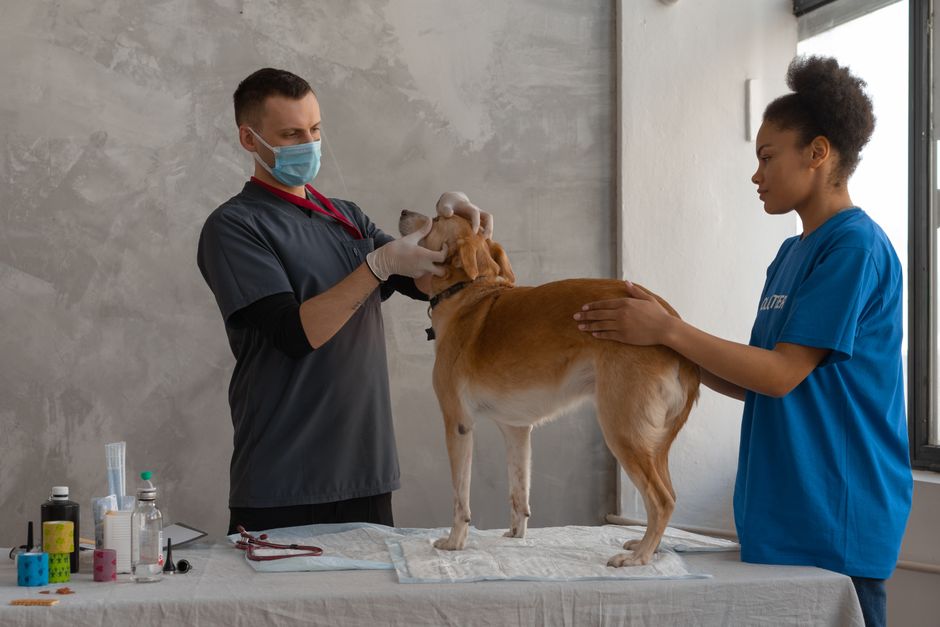
When your dog or cat shows signs of allergies or skin trouble, a thorough veterinary examination is essential. At East Montgomery County Animal Hospital, our veterinary team begins with a detailed health history and physical exam to pinpoint the cause of your pet’s discomfort. We may recommend veterinary wellness care examinations for dogs and cats in Conroe to assess your pet’s overall health and identify any underlying conditions contributing to skin symptoms.
For many pets, allergy and skin testing can help determine specific triggers. Our Dermatology & Allergy Testing for pets in Conroe allows us to identify environmental or food allergens that may be at the root of your pet’s discomfort. In some cases, laboratory diagnostics, such as skin scrapings or cytology, are needed to rule out infections from bacteria, yeast, or parasites.
Treatment approaches are tailored to your pet’s needs and may involve a combination of therapies. These often include medicated shampoos to calm inflamed skin, prescription or over-the-counter antihistamines, and, in some cases, short courses of steroids to reduce severe itching. For pets with bacterial or yeast infections, antibiotics or antifungal medications may be prescribed. Regular flea prevention is a must, as even a single flea bite can set off an allergy flare in sensitive pets.
For pets with food allergies, your veterinarian may recommend an elimination diet trial. This involves feeding a special diet for several weeks to see if symptoms improve, followed by gradual reintroduction of other foods under veterinary supervision. Long-term management for chronic allergies may include immunotherapy, which can help desensitize your pet to specific allergens.
Home Care and Prevention: Keeping Your Pet Comfortable
While professional care is essential for diagnosing and treating pet allergies and skin issues, there’s plenty you can do at home to help prevent flare-ups and keep your dog or cat comfortable. Regular grooming is key; frequent brushing helps remove pollen, dust, and loose fur, reducing the risk of skin irritation. Bathing your pet with a gentle, veterinarian-approved shampoo can wash away allergens and soothe itchy skin. Always make sure to dry your pet thoroughly after baths, as lingering moisture can contribute to skin infections.
Keeping your home as allergen-free as possible supports your pet’s comfort. This means frequent vacuuming, washing pet bedding in hot water, and using air filters during peak allergy seasons. For pets with known environmental allergies, wiping down their paws and coat after outdoor walks can help remove pollen and other irritants before they cause problems.
Strict flea prevention is non-negotiable during the humid months in Conroe. Speak with our team about the best flea control products for your pet’s lifestyle and health status. If food allergies are suspected, follow your veterinarian’s guidance on diet changes, and avoid giving treats or table scraps that may contain hidden allergens.
Monitoring your pet’s skin and coat regularly lets you catch problems early. If you notice new symptoms or worsening of existing issues, reach out to your veterinarian for guidance before trying over-the-counter remedies.
When to Schedule an Appointment with Your Veterinarian
It’s important to know when home care is not enough and professional help is needed. If your pet’s itching is relentless, leads to open sores, hair loss, or skin infections, or if you notice signs such as persistent ear problems or a dramatic change in behavior, schedule an appointment right away. Sudden swelling, severe hives, or difficulty breathing are emergencies and require immediate veterinary attention.
At East Montgomery County Animal Hospital, our veterinary professionals are equipped to diagnose and manage even the most stubborn skin and allergy issues. Early intervention can prevent chronic discomfort and avoid complications such as secondary infections. If you’re unsure about your pet’s symptoms, our team is always here to help you decide on the next best step.
For more information about our full range of services and how we can help, visit our comprehensive list of veterinary services at East Montgomery County Animal Hospital.
Supporting Your Pet’s Skin Health in Every Season
Dealing with pet allergies and skin problems during the humid Texas summer can be overwhelming, but you don’t have to manage it alone. With professional support, careful home care, and a proactive approach, most dogs and cats can enjoy a comfortable, itch-free life even when the weather is working against them. Our veterinarians are committed to providing tailored solutions and compassionate care for every pet, every season.
If your pet is suffering from allergies, skin infections, or persistent itching, now is the time to take action. Schedule an appointment with East Montgomery County Animal Hospital by calling (281) 689-9999 or visiting us at 16715 FM 1485, Conroe, TX 77306. Our veterinary team is here to help Conroe and surrounding communities with all their pet health needs. For those searching for a veterinarian near me, remember that our clinic is dedicated to keeping your pets healthy, comfortable, and happy all year long.
Curious about specific allergy testing or want to learn more about our wellness exams? Explore our Dermatology & Allergy Testing for pets in Conroe or learn about our veterinary wellness care examinations for dogs and cats in Conroe. Your pet’s comfort is our priority, and we’re here to help you every step of the way.