
Preventing Allergies in Pets During Humid Texas Falls
Preventing Allergies in Pets During Humid Texas Falls
If your dog or cat seems itchier than usual as summer fades and the humid fall weather settles over Conroe, you are not alone. Many pet owners in our region notice their pets scratching, licking, or losing fur during this season, especially when humidity rises and allergens become more prevalent. At East Montgomery County Animal Hospital, located at 16715 FM 1485, Conroe, TX 77306, we understand how frustrating and concerning it can be to watch your pet struggle with allergies. This blog will guide you through the causes of fall allergies in dogs and cats, how to spot the signs, preventive steps that actually work, and when it’s time to schedule an appointment with our veterinary team. Our goal is to keep your pets comfortable and healthy all season long, so you can enjoy autumn together without the itch.
Recognizing Allergy Symptoms in Dogs and Cats
Many pet owners first notice allergy issues when their pet starts scratching more often. In the humid Texas fall, common symptoms of seasonal allergies include persistent itching, licking or chewing at paws, redness or inflammation of the skin, ear infections, watery eyes, sneezing, and the appearance of hot spots or bald patches. For some pets, the discomfort may show up as chronic ear infections or excessive head shaking. Other signs to watch for are changes in behavior, such as restlessness at night or reluctance to be touched due to skin sensitivity. If your dog or cat is suddenly licking their feet after walks, rubbing their face on carpets, or developing an unpleasant odor from their skin, allergies could be the culprit. Recognizing these early warning signs can help you take action before the symptoms become more severe.
Why Do Pets Develop Allergies During Humid Falls in Texas?
Understanding why allergies flare up during the fall is the first step in prevention. The warm, humid climate of Conroe and surrounding areas creates ideal conditions for environmental allergens to thrive. During this time of year, molds, dust mites, and certain types of pollen become more abundant. Fallen leaves can harbor mold spores, while increased indoor humidity encourages dust mites to multiply. Pets may also come into contact with grass, weeds, or other plant materials that release allergens as fall progresses. For many dogs and cats, these triggers lead to a heightened immune response; their bodies react as if harmless substances like pollen or mold are threats, causing inflammation and itchiness.
Certain breeds may be more prone to developing allergies, but any pet can be affected. Dogs and cats with a history of allergic skin disease or those who suffer from food sensitivities may be even more sensitive to changes in weather and environmental conditions. Additionally, the practice of spending more time indoors as temperatures cool can expose pets to indoor allergens such as dust, dander, and household cleaning chemicals.
Professional Treatment for Pet Allergies in Conroe
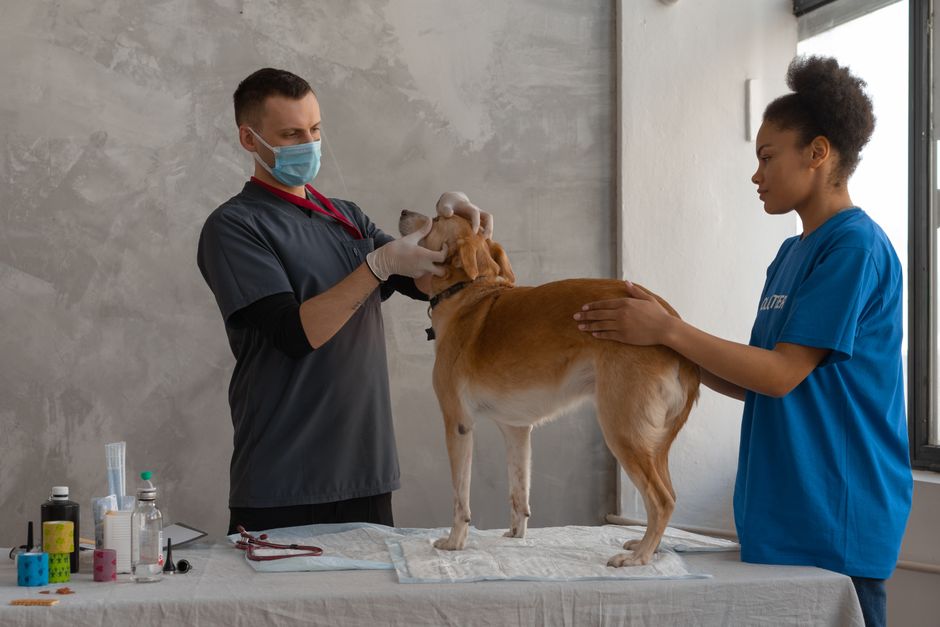
When allergy symptoms persist or intensify, professional veterinary care is essential. At East Montgomery County Animal Hospital, our veterinarians begin with a thorough examination to identify the underlying cause of your pet’s discomfort. This may include reviewing your pet’s medical history, performing a physical exam, and recommending dermatology and allergy testing services for pets in Conroe if indicated.
Treatment approaches involve a personalized plan based on your pet’s needs. For some pets, medicated shampoos or topical treatments can help soothe inflamed skin and reduce itching. In more severe cases, oral medications such as antihistamines, steroids, or immune-modulating drugs may be prescribed to control the allergic reaction. If secondary infections are present, antibiotics or antifungal medications might be necessary. Our veterinary team may also advise dietary changes if food allergies are suspected, or recommend in-house laboratory diagnostics to rule out other health concerns. The goal is always to provide safe, effective relief while identifying and minimizing your pet’s exposure to triggers.
Home Care and Prevention Tips for Allergy-Prone Pets
While some aspects of the Texas fall climate are beyond our control, there are several practical steps you can take at home to help protect your pets from seasonal allergies. Regular bathing with a gentle, hypoallergenic shampoo can remove allergens from your dog or cat’s coat and skin. Wiping down your pet’s paws and belly after outdoor walks helps reduce contact with pollen, mold, and other irritants. Keeping your home clean by vacuuming carpets, washing bedding, and using air purifiers can lower indoor allergen levels. For pets with known sensitivities, limiting time outdoors during high pollen counts or after heavy rains can be beneficial.
If your pet is prone to ear infections, gently cleaning their ears with a veterinarian-approved solution may help prevent flare-ups. Monitoring humidity levels inside your home with a dehumidifier can also discourage dust mites and mold growth. Feeding a balanced diet rich in omega-3 fatty acids may support healthy skin and reduce inflammation. Our team can provide guidance on the best preventive strategies during your pet’s wellness examination, ensuring a plan tailored to their unique needs.
When Should You Schedule a Veterinary Appointment for Allergies?
It is not always easy to know when a pet’s itching or sneezing requires professional attention. However, if your dog or cat’s symptoms persist for more than a few days, worsen over time, or are accompanied by open sores, hair loss, or signs of infection (such as redness, swelling, or foul odor), it is time to call your veterinarian. Chronic scratching can lead to secondary skin infections that make allergies much harder to treat at home. Ear infections, in particular, can cause significant discomfort and require prompt medical care to prevent lasting damage.
If your pet is not responding to over-the-counter remedies, or if you notice changes in appetite, energy level, or behavior, these can signal a more serious problem that needs veterinary evaluation. For ongoing or severe cases, diagnostic tests like allergy screening or laboratory analysis may be recommended to identify the underlying cause and develop an effective treatment plan. Remember, early intervention can prevent complications and help your pet feel better faster.
Keeping Your Pets Comfortable and Healthy This Fall
Texas falls can be beautiful, but the humidity and allergens pose unique challenges for sensitive dogs and cats. By staying aware of the signs of allergies, taking preventive measures at home, and seeking veterinary care when needed, you can help your pets enjoy every season to the fullest. At East Montgomery County Animal Hospital, our veterinarians are dedicated to supporting the health and happiness of your pets in Conroe and surrounding communities. Whether you have questions about allergy management or need to schedule a wellness examination, we are here with expertise and compassion.
If you are searching for a reliable "vet near me" or need guidance for your pet’s allergy symptoms, do not hesitate to reach out to our veterinary team. You can schedule an appointment by calling (281) 689-9999, or by visiting us at 16715 FM 1485, Conroe, TX 77306. For more information about preventive care for your dog or cat, consult trusted resources like the AAHA-AVMA canine preventive healthcare guidelines or feline preventive healthcare guidelines. Let us help your pets stay comfortable, healthy, and itch-free this fall and beyond.
All medical information provided in this blog is intended for general guidance only. Always consult with your veterinarian for specific advice regarding your pet’s health.