
Essential Winter Wellness Tips for Dogs and Cats in Conroe
Essential Winter Wellness Tips for Dogs and Cats in Conroe
As the cooler November air settles into Conroe, TX, pet owners begin to wonder how best to keep their dogs and cats healthy, comfortable, and safe during the winter months. Even though our Texas winters are milder than in other parts of the country, sudden drops in temperature, wet weather, and the unique challenges of the season can catch families off guard. At East Montgomery County Animal Hospital, we understand how much you care about your pet’s wellbeing. That’s why our team of veterinarians is sharing expert advice on essential winter wellness, from recognizing early warning signs of cold-related issues to practical steps for cozy, healthy pets all season long. Whether you are preparing for your annual wellness examination or just want to keep seasonal sniffles at bay, this comprehensive guide will help you protect your pet through every chilly day in Conroe and the surrounding communities.
How Cold Weather Affects Dogs and Cats in Conroe
While some pets might love the brisk air and playful winds, others can be more sensitive to colder temperatures. Recognizing how winter weather can impact your pet’s health is the first step toward prevention. Dogs and cats rely on us to help them navigate seasonal changes, and even brief exposure to cold or wet conditions can bring unexpected health concerns.
Signs Your Pet Might Be Struggling With the Cold
Not all pets show discomfort in the same way. Common signs that your pet may be affected by chilly weather include shivering, seeking extra warmth, reluctance to go outside, or changes in appetite. Some pets may develop dry skin or cracked paw pads as the humidity drops. Watch for symptoms such as persistent shaking, whining, limping after being outdoors, or a sudden drop in energy. For older pets and those with chronic health conditions, cold weather can also aggravate arthritis, leading to noticeable stiffness or difficulty rising after rest.
When to Worry: Recognizing Serious Cold-Weather Problems
While mild shivering can be a normal response to chilly air, persistent shaking, lethargy, or pale gums may signal hypothermia, which is a medical emergency. Similarly, if you notice your pet’s skin turning red, swollen, or blistered—especially on ears, tail tips, or paws—these could be early signs of frostbite. Cats are particularly skilled at hiding discomfort, so subtle changes in behavior, such as hiding more than usual or avoiding favorite resting spots, may also signal a problem. If your pet exhibits any of these warning signs, prompt veterinary evaluation is critical.
Why Winter Health Risks Happen in Conroe’s Mild Climate
Texas winters may not bring heavy snow, but fluctuating temperatures, damp days, and occasional freezes can still create risks for dogs and cats. Many local pets spend more time outdoors or enjoy open patios and porches, increasing exposure to the elements. Indoor pets, meanwhile, can struggle as heaters dry out the air, leading to itchy skin and respiratory irritation.
Unique Factors for Texas Pets
Rapid weather shifts often catch pets unprepared. A warm afternoon can quickly turn into a chilly evening, and pets left outside may not have time to acclimate. Rain and mud can contribute to skin problems or matting in long-haired breeds, while exposure to de-icing salts or antifreeze from driveways and sidewalks introduces toxic hazards. In addition, the shorter days and longer nights can disrupt your pet’s activity patterns, leading to boredom and weight gain if exercise routines are not adjusted.
Professional Winter Care: What to Expect at Your Veterinary Visit
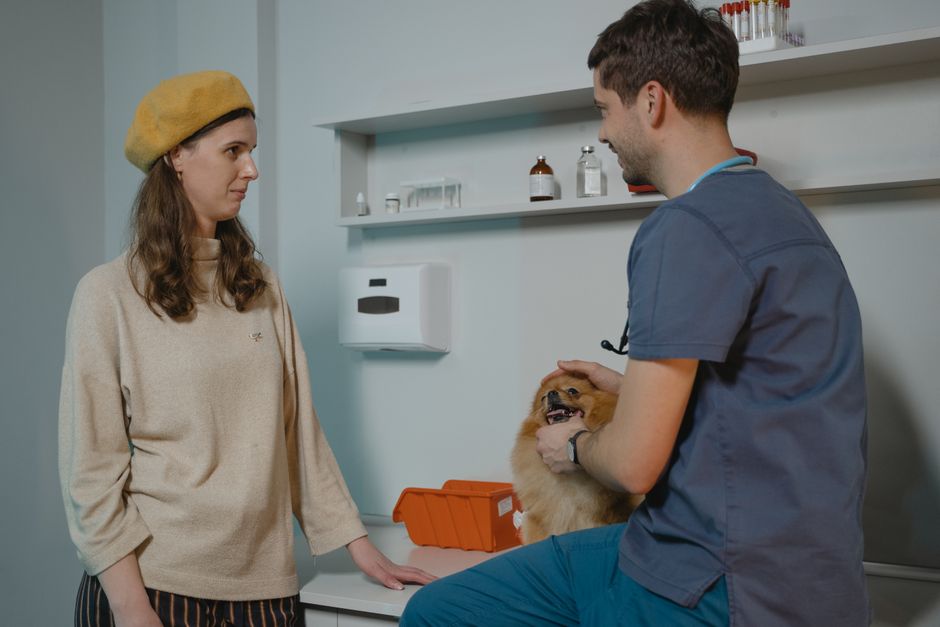
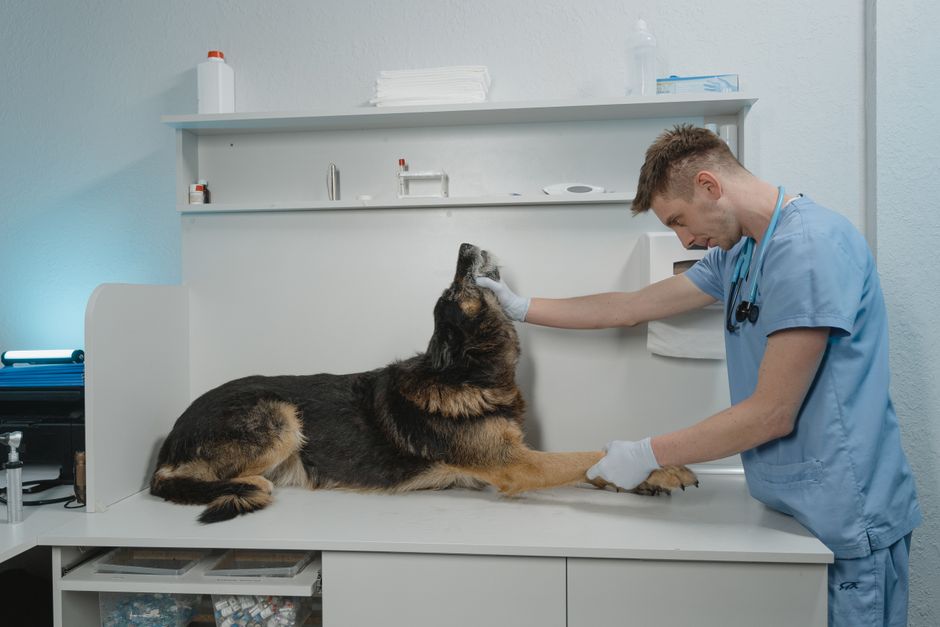
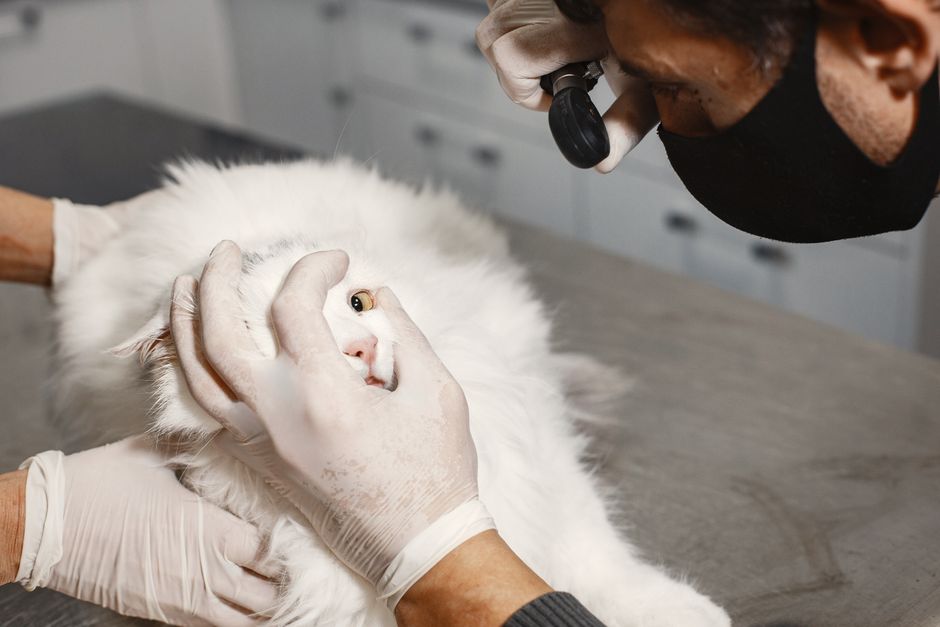
A winter wellness checkup at East Montgomery County Animal Hospital is one of the most effective ways to keep your pet healthy through the season. During a wellness examination, our veterinary team evaluates your pet’s overall health and looks for early signs of cold-weather stress, arthritis, or underlying medical conditions that might be aggravated by the season.
What Happens During a Winter Wellness Exam
Our veterinarians will listen to your concerns about your pet’s winter habits, check for joint stiffness or pain, examine skin and coat condition, and assess for any lumps, bumps, or signs of infection. We may recommend laboratory diagnostics if your pet is showing symptoms like unexplained lethargy, coughing, or changes in appetite, as these can point to infections or metabolic issues that sometimes arise or worsen in winter.
Vaccinations and Preventive Care
Colder weather can lead to increased time indoors and, in some cases, more exposure to other pets. Keeping up with vaccination services helps protect your dog or cat from respiratory illnesses and other preventable diseases. Our team will help you determine if your pet is due for any booster shots or additional immunizations to keep them protected year-round.
Home Care Tips to Keep Dogs and Cats Healthy and Comfortable
Much of your pet’s winter wellbeing is shaped by what you do at home. Fortunately, a few simple adjustments can make a world of difference in keeping your pet cozy, happy, and healthy all season.
Creating a Warm, Safe Environment
Ensure your pet has access to a warm, draft-free area indoors, especially at night. For dogs and cats who enjoy window watching or napping near doors, consider moving beds away from chilly spots. Providing cozy blankets or elevated beds can help keep them off cold floors. For outdoor time, keep walks shorter on particularly cold or wet days, and always dry your pet’s coat and paws when you return inside to prevent skin irritation or chapping.
Protecting Paws and Skin
You may notice your pet’s paw pads becoming dry or cracked in winter. Gently wiping your pet’s feet after outdoor walks removes moisture, mud, and any traces of de-icing chemicals. Applying a pet-safe moisturizer as recommended by your veterinarian can help soothe dry skin and paws. Regular brushing also helps distribute natural oils, reducing static and dry skin.
Adjusting Diet and Exercise
Some pets become less active in winter, which can lead to weight gain. Maintain a consistent exercise schedule by engaging in indoor play or safe, supervised activities outdoors. For pets with arthritis or mobility issues, low-impact indoor games or gentle walks can help keep joints limber. If you notice changes in your pet’s appetite or weight, discuss dietary adjustments at your next veterinary visit.
Staying Up-to-Date with Preventive Health
While fleas and ticks are less common in winter, they are not gone entirely in Texas, so continue using recommended preventives. Heartworm prevention is especially important in our region, as mosquitoes can remain active during mild winters. If it has been a while since your last heartworm testing, ask our team about the best schedule for your dog or cat.
When to Call the Veterinarian: Winter Emergencies and Concerns
Knowing when to seek professional help can make all the difference in your pet’s recovery. While many winter issues can be managed with attentive home care, certain symptoms always warrant a call to your veterinarian.
Signs That Require Immediate Veterinary Attention
If your pet is shivering uncontrollably, has difficulty breathing, seems disoriented, or is vomiting after being outside, these could be signs of hypothermia or toxic exposure. Frostbite may appear as pale or grayish skin, especially on ears, tail, or paws, and often develops after prolonged exposure to cold, wet conditions. Sudden limping, open sores, or refusal to eat or drink for more than 24 hours should also prompt a veterinary visit. For emergencies that occur outside regular hours, our clinic can provide guidance and support through our emergency veterinary care services.
Chronic Conditions: When Extra Care is Needed
Pets with chronic illnesses such as diabetes, heart disease, or arthritis may need special attention during winter. Fluctuations in temperature can affect medication effectiveness and comfort, so regular check-ins with your veterinary team are advised. If your pet’s symptoms worsen or new signs develop, contact us promptly for advice.
Winter Wellness for Every Conroe Pet
Every dog and cat is unique, and winter brings different challenges depending on age, breed, and health status. At East Montgomery County Animal Hospital, we are committed to helping your pet thrive in every season. Our team encourages regular wellness examinations and open communication to tailor care to your pet’s needs.
For more detailed preventive guidelines, you can also review trusted resources such as the AAHA-AVMA canine preventive healthcare guidelines and AAHA-AVMA feline preventive healthcare guidelines.
Schedule Your Winter Checkup: Keeping Conroe’s Pets Healthy All Season
Winter wellness is about more than just staying warm; it’s about supporting your pet’s overall health, preventing seasonal problems, and catching issues early before they become serious. By recognizing the signs of cold-weather discomfort, making small changes at home, and partnering with our experienced veterinary professionals, you can ensure your pet enjoys every cozy moment the season has to offer.
If you are searching for a "vet near me" who understands the unique needs of pets in Conroe, look no further than East Montgomery County Animal Hospital. To schedule a winter wellness examination or discuss concerns about your pet’s health, call our veterinary team at (281) 689-9999 or visit us at 16715 FM 1485, Conroe, TX 77306. We are here to keep your dogs and cats healthy, happy, and protected—no matter what the Texas winter brings.
This blog is for informational purposes only and is not a substitute for professional veterinary advice. Always consult your veterinarian regarding your pet’s specific health needs or in the event of an emergency.